Mending
“Mend carefully. Think of mending the world at the same time.” — Yoko Ono

This week did not go to plan, thanks to a microscopic hitchhiker carried by the black-legged tick (Ixodes scapularis).
As someone who spends a great deal of time in the woods, walking, gathering, harvesting, and paying attention, tick checks are simply part of the ritual. Finding and removing ticks is, unfortunately, a fairly common occurrence. I try to be diligent, and yet somehow one slipped through. A tiny bite, a bacterial infection, and suddenly the week I had planned disappeared into a haze of fatigue, fever, and brain fog.
I suppose I should be grateful it wasn’t a lone star tick leaving me with alpha-gal syndrome or Rocky Mountain spotted fever. There are always worse possibilities.
Being forced to slow down has a way of changing what you notice. Between naps and cups of tea, random thoughts drifted in and out of my foggy brain. New ideas, incomplete thoughts.
I’ve spent much of this year thinking about tending. Tending gardens. Tending plants. Tending communities. Tending an art practice. Tending as an artistic methodology. But this week, while my body was busy healing, I found myself thinking about another word.
Mending.
Not simply as another word for healing, but as something with its own particular practice. What is the relationship between tending, healing, and mending? What does it mean to mend a body, a garment, a friendship, a landscape, or even our attention?
Repair = fixing a function.
Healing = restoring relationship.
Mending = the visible practice of healing?
Why does mending feel like such an important practice in a culture that has forgotten how to repair?
I’ve been wondering how the word mending feels different from healing.
Healing is a word I know well. After twenty-five years of working with herbs in a healing capacity, and many years of studying spiritual healing with a Ecuadorian curandera I’ve thought a great deal about what it means to support the body’s remarkable capacity to heal. But mending feels quieter somehow. More domestic? More humble. More like a practice than a destination.


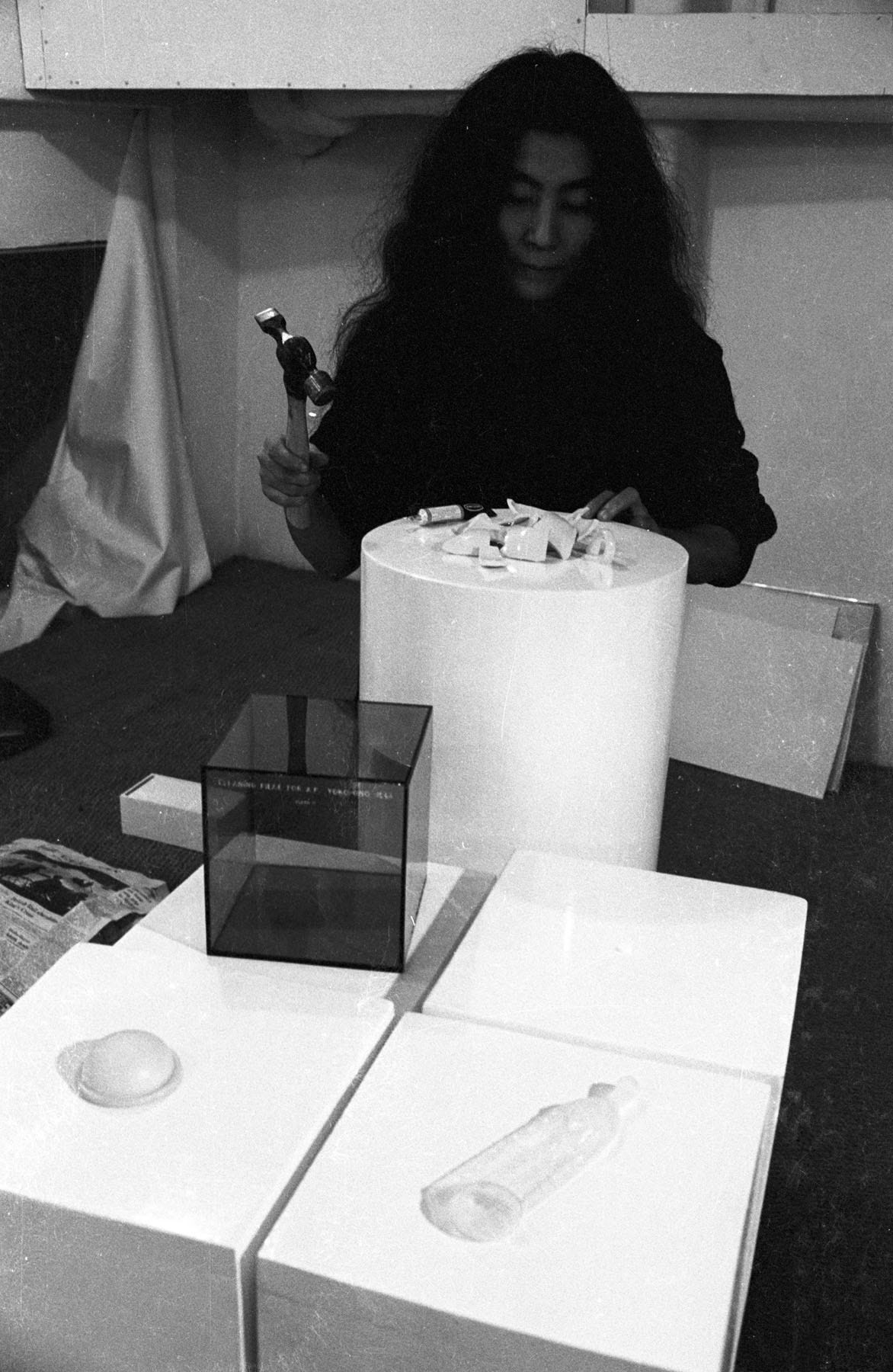
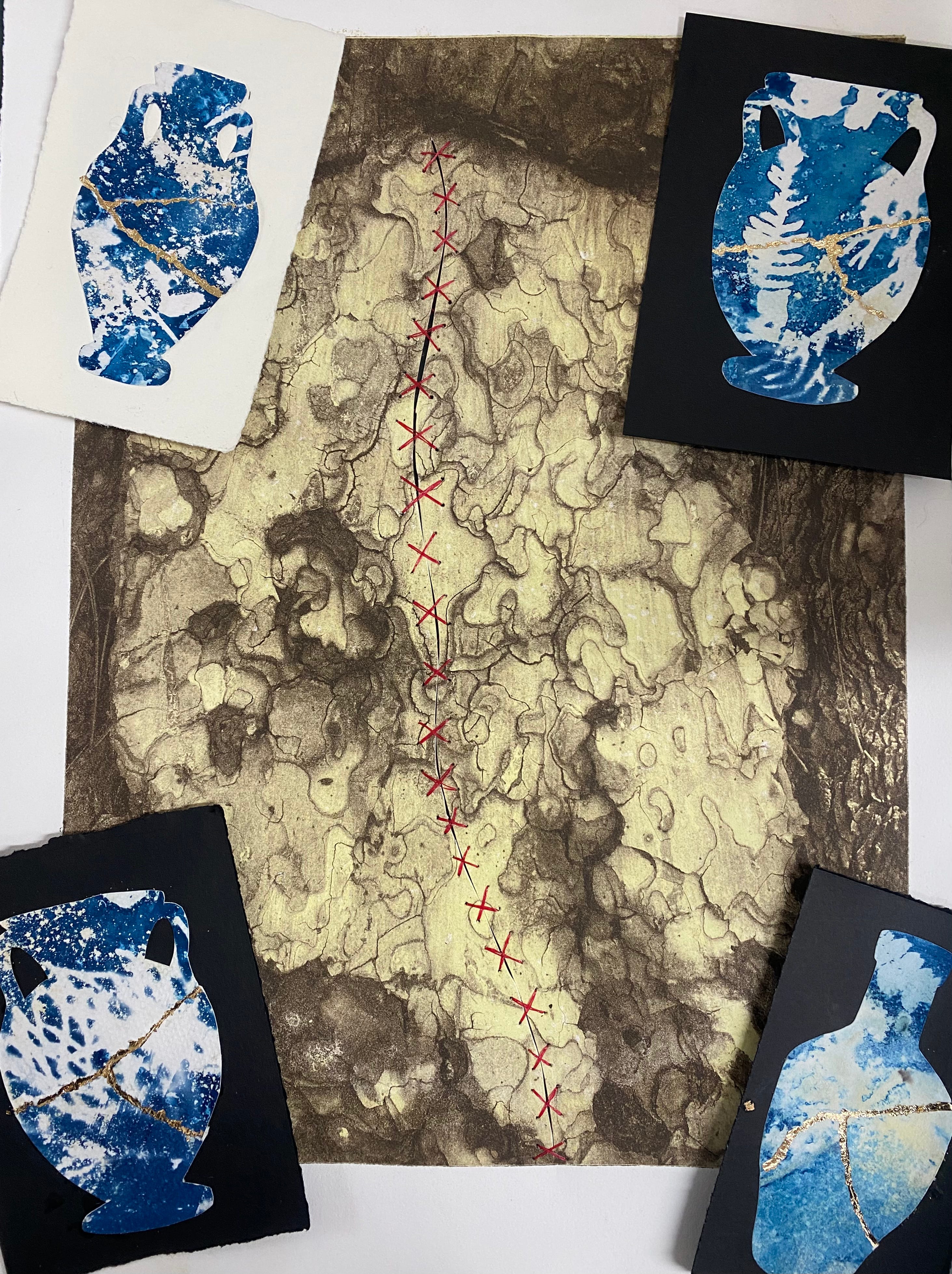
Thinking about it led me back to Yoko Ono’s Mend Piece. Broken cups, glue, string, tape. Participants patiently repairing what had been shattered before sharing tea together. The cracks aren’t hidden. They’re part of the story.


Which in turn led me back to kintsugi: the art of repairing broken ceramics with lacquer dusted with powdered gold. I've seen photographs of bowls and teacups whose cracks shimmer like rivers across their surfaces. The break is neither hidden nor disguised. It becomes part of the object's history, a reminder that it has been used, broken, cared for, and returned to life. There is something deeply hopeful in that. Not because the bowl becomes more beautiful because it was broken, but because someone believed it was worth mending in the first place.


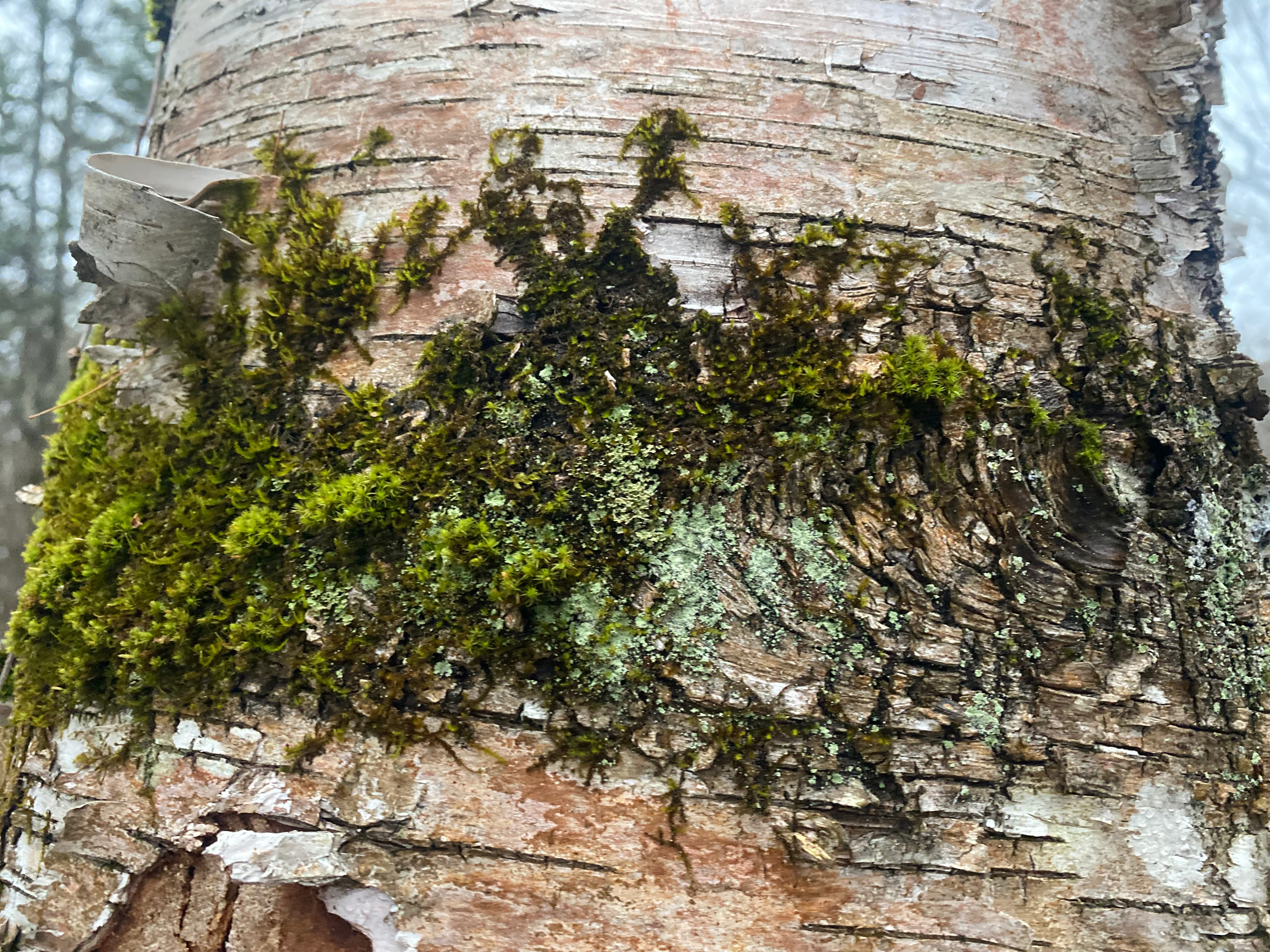
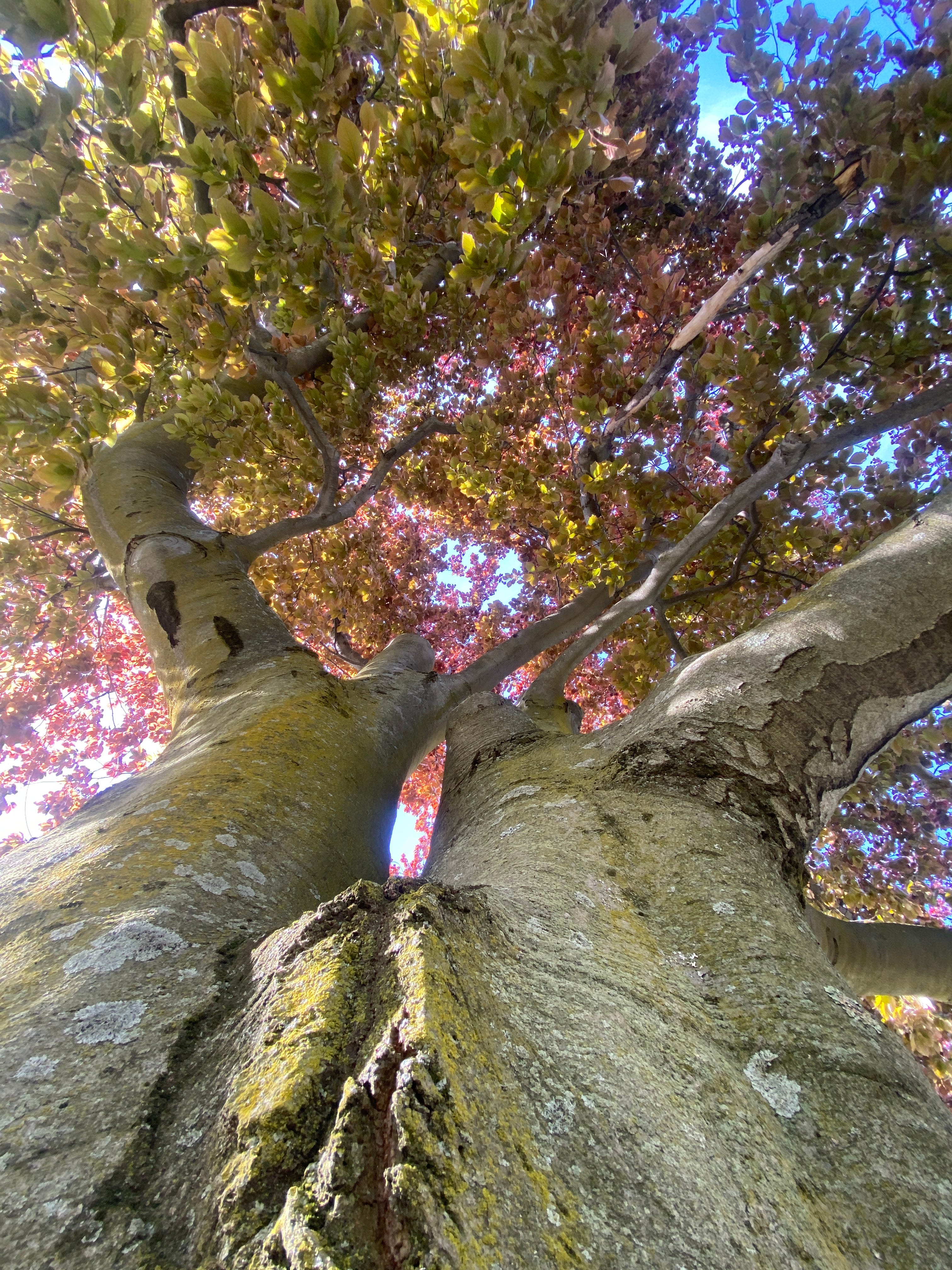
I began wondering if forests practice their own kind of kintsugi. Trees don't erase the places where branches have broken. They grow around them, slowly sealing the wound with new rings of wood. The break is never undone, but neither is it the end of the story. Walk through any old forest and you'll find trunks split by storms, hollowed by insects, scarred by fire, yet still putting out leaves each spring. The forest seems to understand something we often forget: life is not the absence of damage but the continual practice of mending.
Thinking about trees led me, to Mary Oliver and a scene from the Mary Oliver documentary I just saw “Saved by the Beauty of the World” (catch it if you can). Mary Oliver recounts rescuing an injured black-backed gull on a bitterly cold Christmas morning, an experience she later wrote about in her essay “Bird” in Upstream. She and her beloved Molly Malone Cook brought the bird home, tended to it, and cared for it as it slowly recovered
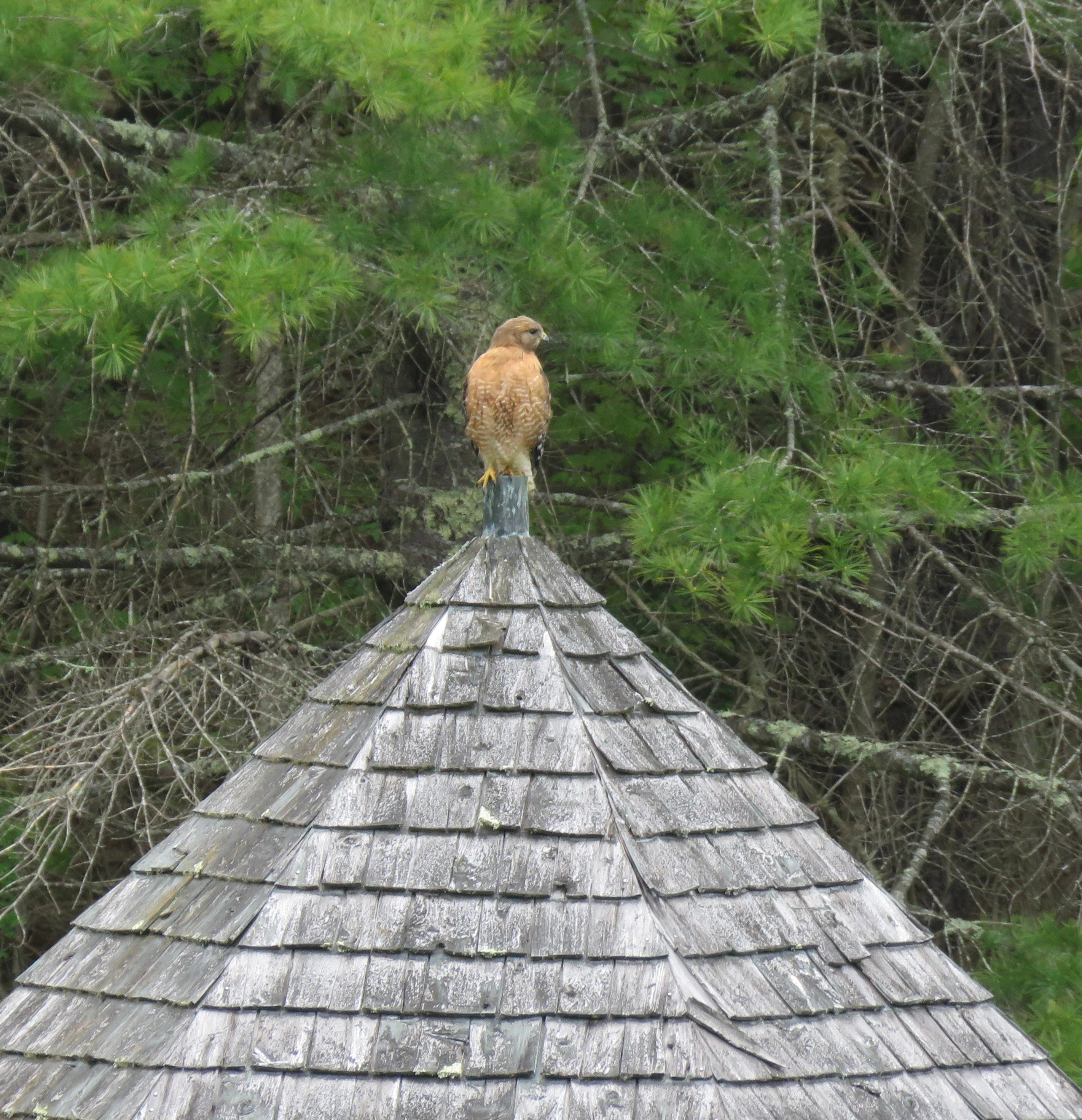
What moved me wasn’t simply the rescue. It was the instinct to stop. To interrupt the day. To gather up a suffering creature and make room for its healing. That, too, felt like a form of mending. Not because they could guarantee the gull’s recovery, but because they answered its vulnerability with care.
Mary Oliver writes that “Attention is the beginning of devotion.” a phase that is a keystone in my upcoming thesis. Perhaps mending is attention made visible.
I am beginning to think mending, isn’t always about fixing what is broken. Sometimes it is simply the willingness to stay with another being long enough for healing to become possible. I found myself thinking that this, too, is a form of mending.
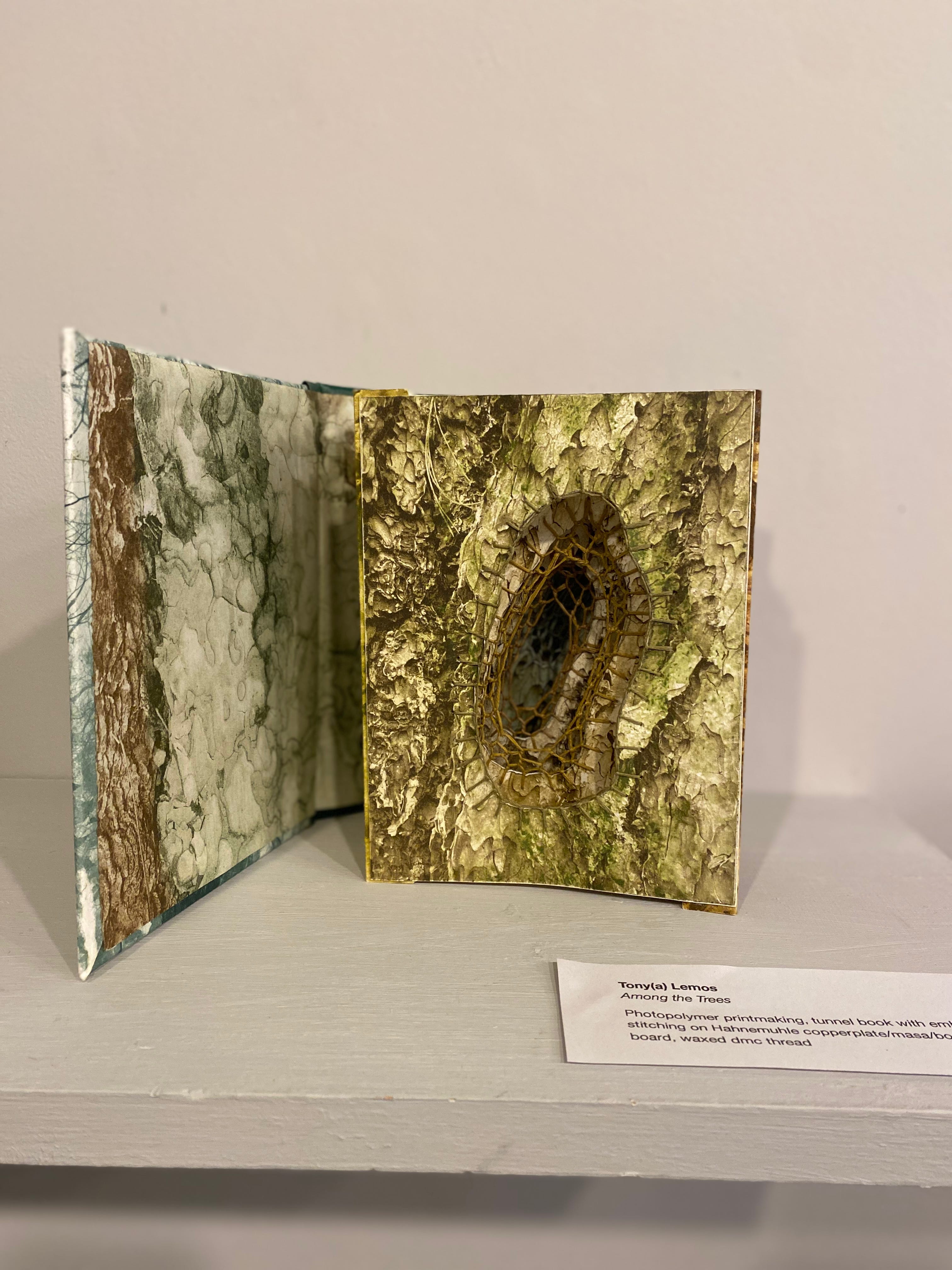
Not because they could erase the bird’s injury or guarantee its survival, but because they chose not to look away. They answered vulnerability with attention. Perhaps mending begins there, not with fixing, but with noticing. With allowing another living being’s brokenness to matter to us. Mending accepts scars.
"It is a serious thing
just to be alive
on this fresh morning
in this broken world” M.O.
What in your life is asking to be mended?
Begin with one small thing.
______________________________________________________________
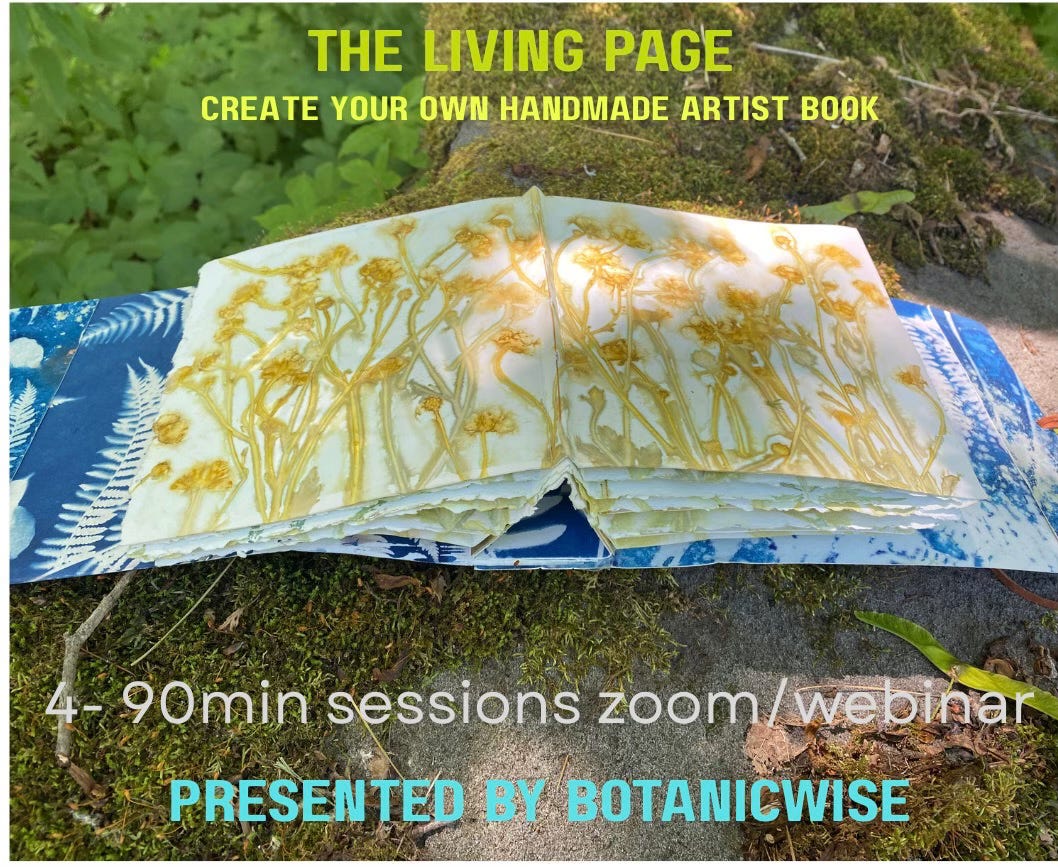
STARTING TOMORROW: A 4 week Online Program sponsored by BotanicWise
Click here for more info “The Living Page”
Hi Toni, Excellent post about mending vs healing. It opens a variety of questions for me, as well as insights to how it applies to my art. I'll ponder a better response, but wanted to say thank you for the stimulative ideas. Liz