Shrine Thinking
A Field Note Toward a Future Theory

Lately, I have been using the phrase “shrine thinking” to describe a way of working that has slowly emerged through my practice.
Not shrine as object.
Not shrine as religion.
But shrine as a mode of attention. A way of arranging the world through care rather than classification.
Shrine thinking is the practice of arranging attention.
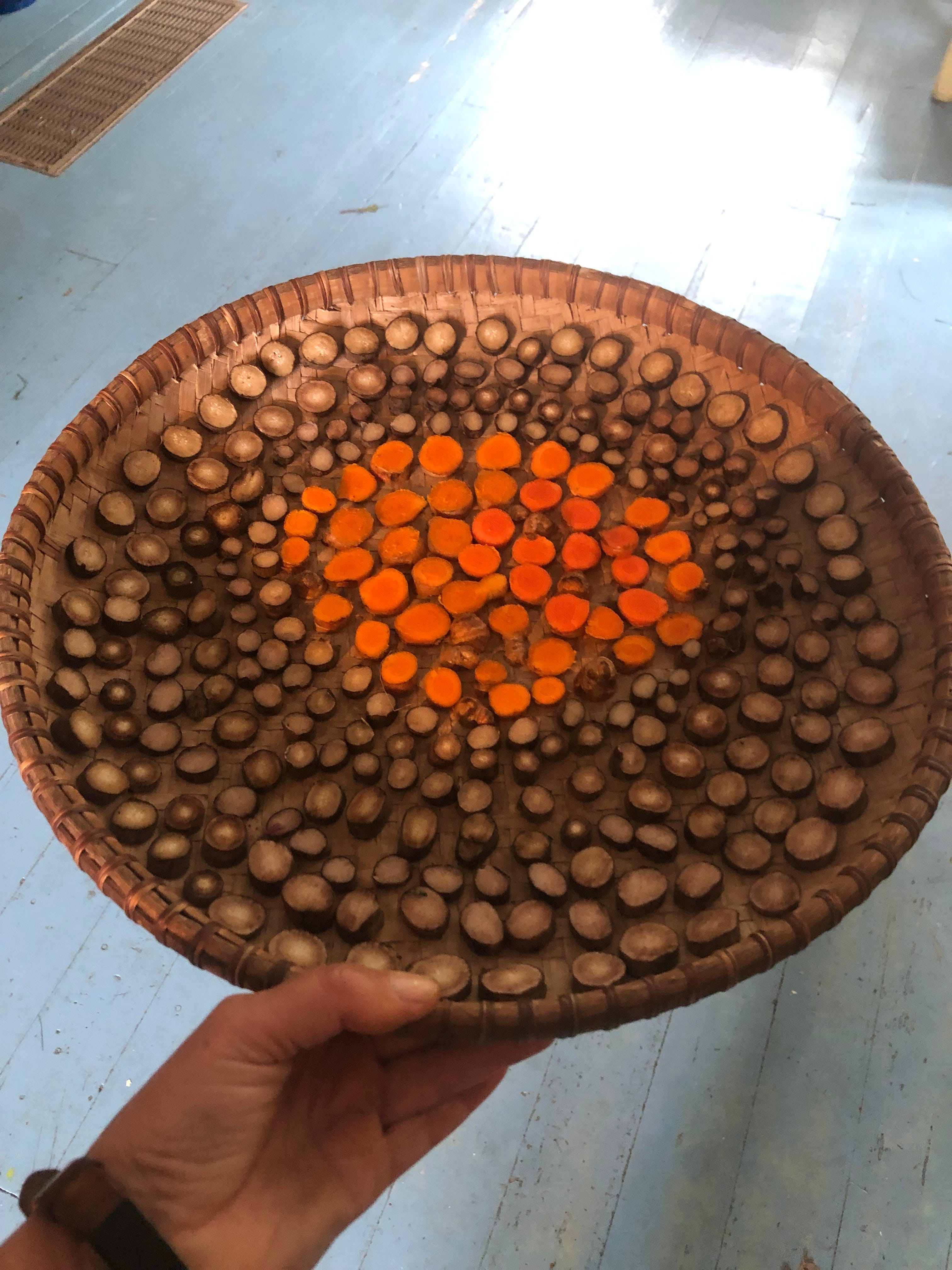
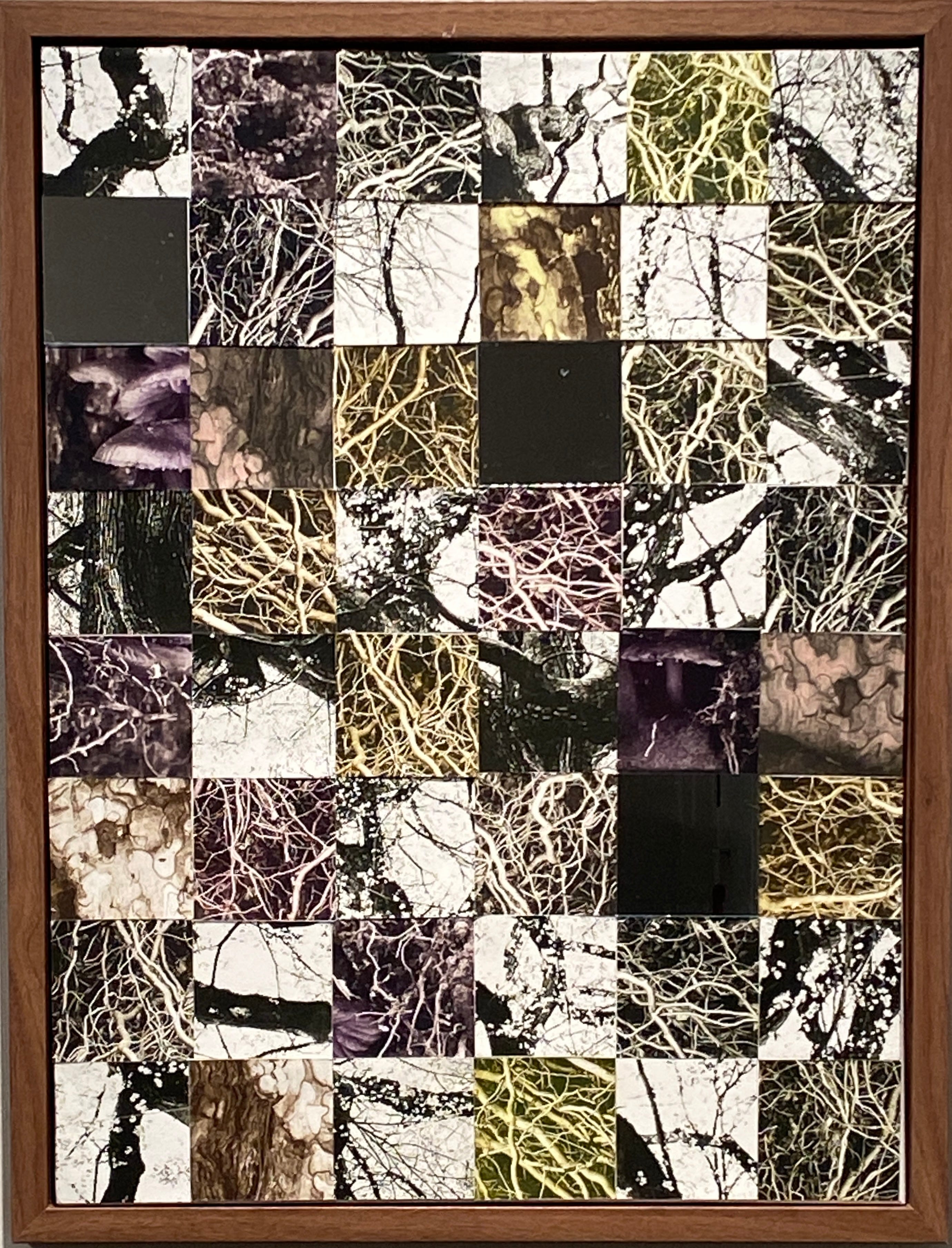
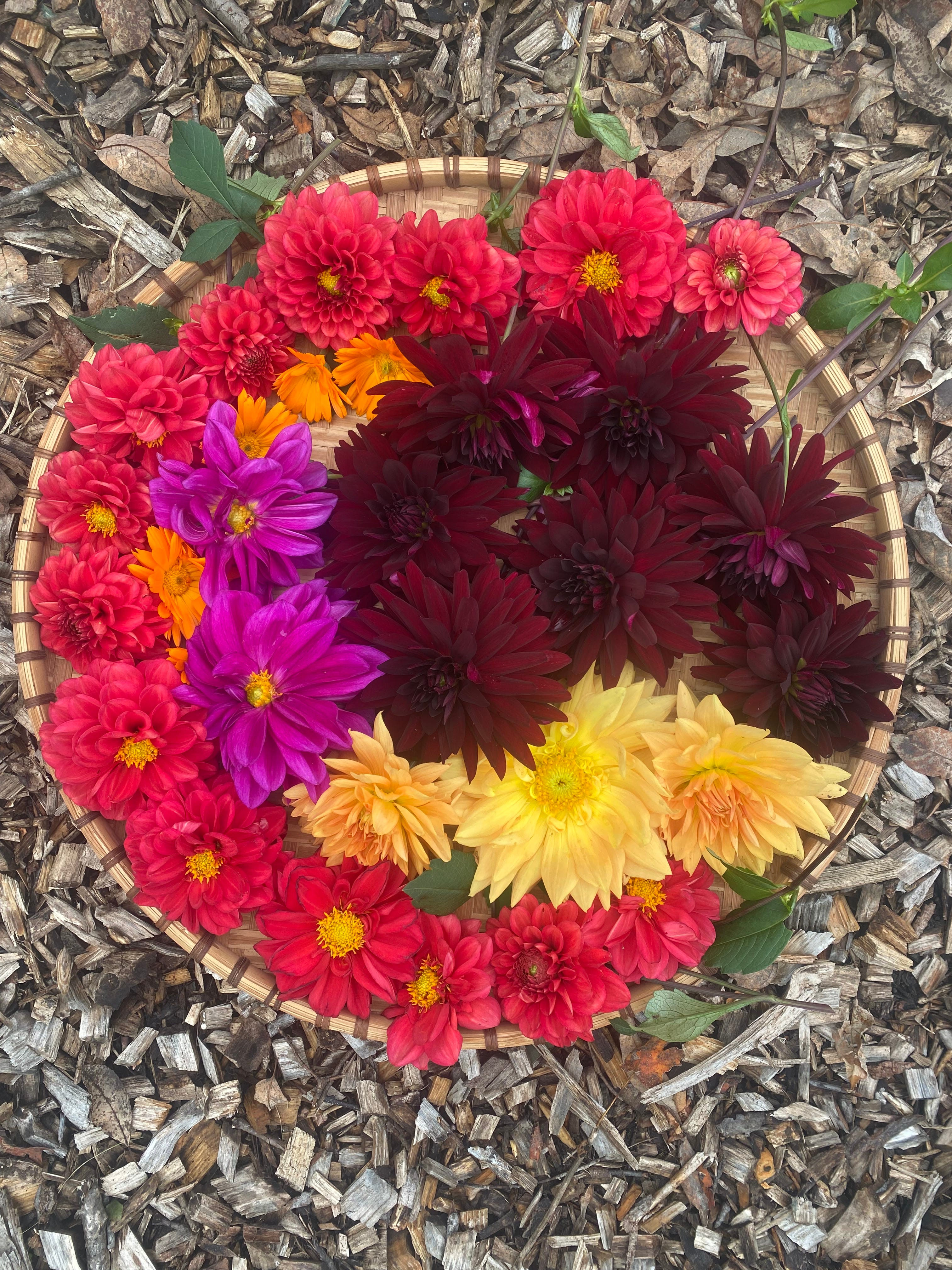
I think this practice first emerged for me last year when I began working with gridded pieces—small accumulations of thread, pigments, botanical fragments, and found materials. I became interested in what happened when objects were placed in relation rather than simply displayed. Arrangement itself began to feel like a form of meaning-making.
The act of gridding—of compartmentalizing, ordering, and arranging—became a way of processing chaos, both personal and collective. At a time when the world, and my place within it, often felt destabilized and uncertain, this practice evolved into a quieting ritual: a meditation in reordering disarray into temporary structure.
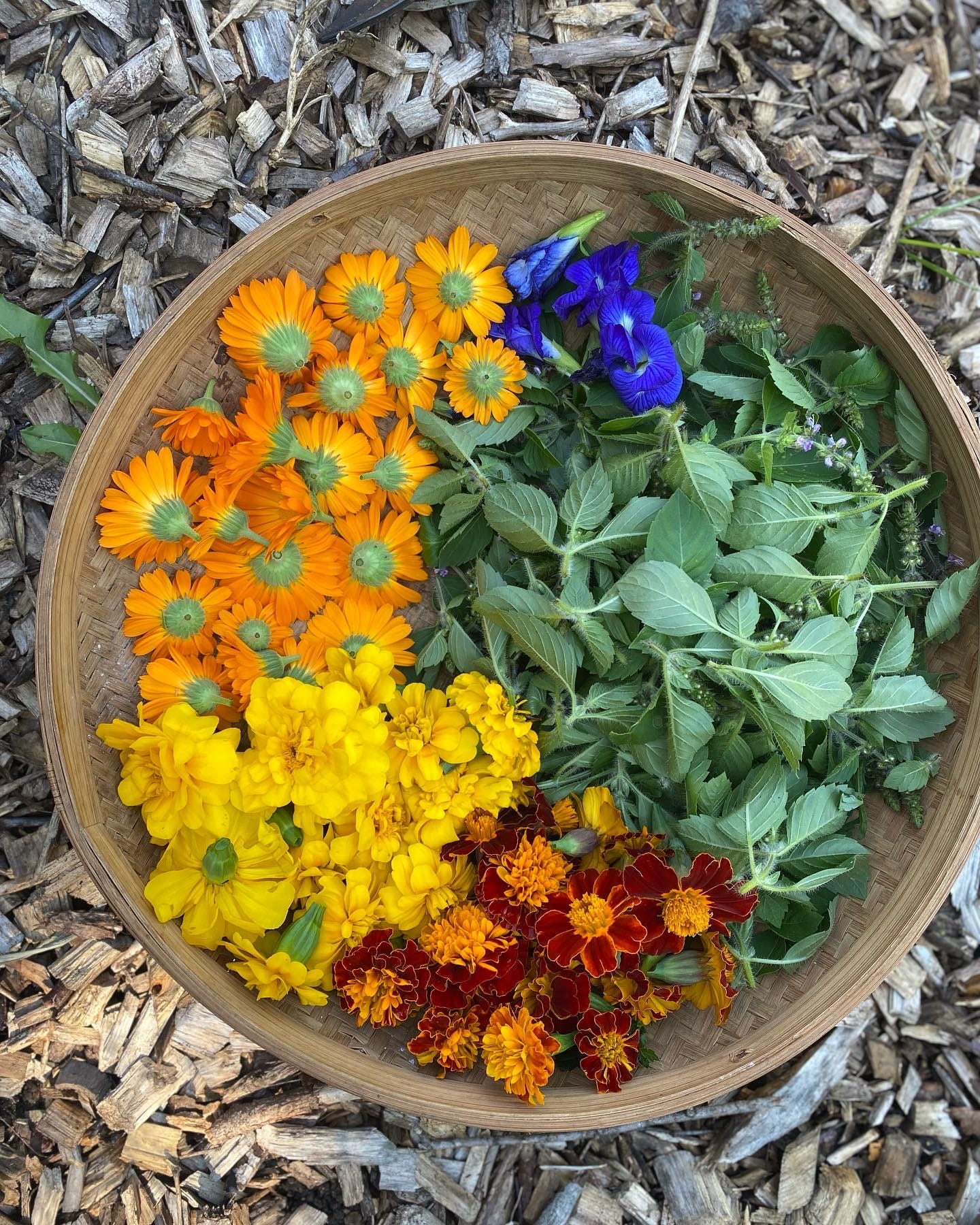
I think of shrine thinking as an alternative to the logic of the archive. Where archives often stabilize, categorize, and preserve; shrines remain relational, unstable, and alive. They gather objects not as specimens, but as participants in a field of reciprocity and presence.
A feather on a windowsill.
A bowl of rainwater.
Bundles of drying herbs.
A stone carried home in a pocket.
Thread tied around a handwritten note.
None of these things are valuable in the traditional sense. Yet through placement, repetition, and attention, they begin to hold meaning. At its core, shrine thinking asks:
What happens when we treat the overlooked as worthy of ceremony?
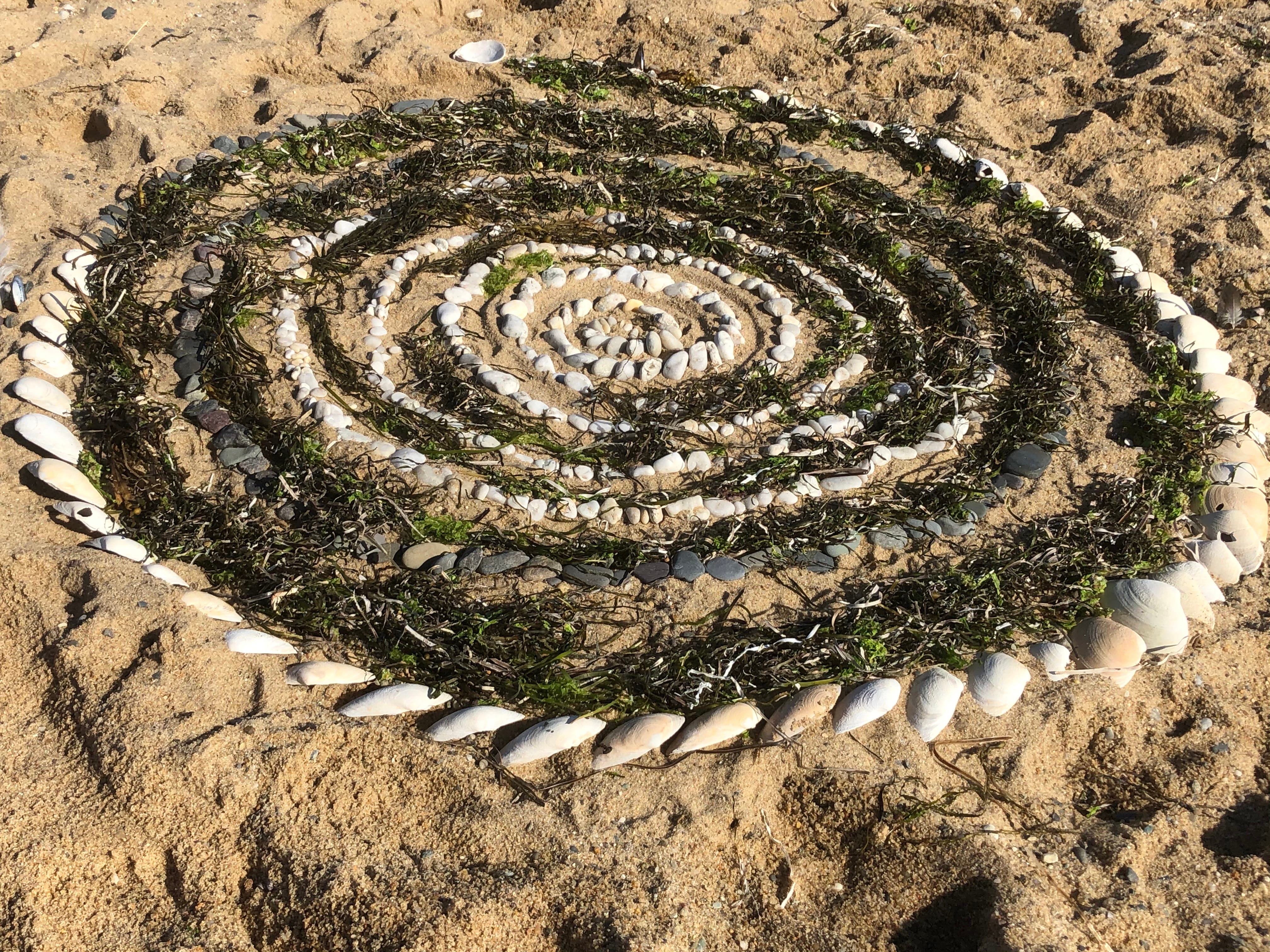
This practice emerges from years of being drawn to the aesthetics of the apothecary, the cabinet of curiosities, and the archive; the mysterious beauty of collections, fragments, specimens, and carefully arranged objects. As someone coming from herbalism and naturalist traditions, I have long been fascinated by spaces of gathering and observation. Yet over time, I began to recognize how deeply these historical models are entangled with colonialism, extraction, and patriarchal systems of knowledge. Cabinets of curiosity and natural history archives often relied upon the accumulation, categorization, and possession of the world and with that transforming living relationships into objects of study and control.
I find myself increasingly interested in forms of knowledge and relation that precede, resist, or exceed systems of classification and control, ways of understanding that have often been obscured or displaced by dominant structures of knowledge.
What would it mean to gather without possessing?
To arrange without classifying?
To create archives rooted not in authority, but in reciprocity, care, and attention?
Perhaps this is where shrine thinking begins.
I remain drawn to the cabinet: its intimacy, its density, its quiet invitation to look closely. But I am increasingly interested in what happens when its logic is transformed/ when collecting becomes tending, when classification gives way to relation, when the archive becomes unstable, porous, and alive. My practice is interested in forms of entangled knowledge, ways of understanding that emerge not through separation and classification, but through relationships, reciprocity, and embodied attention.
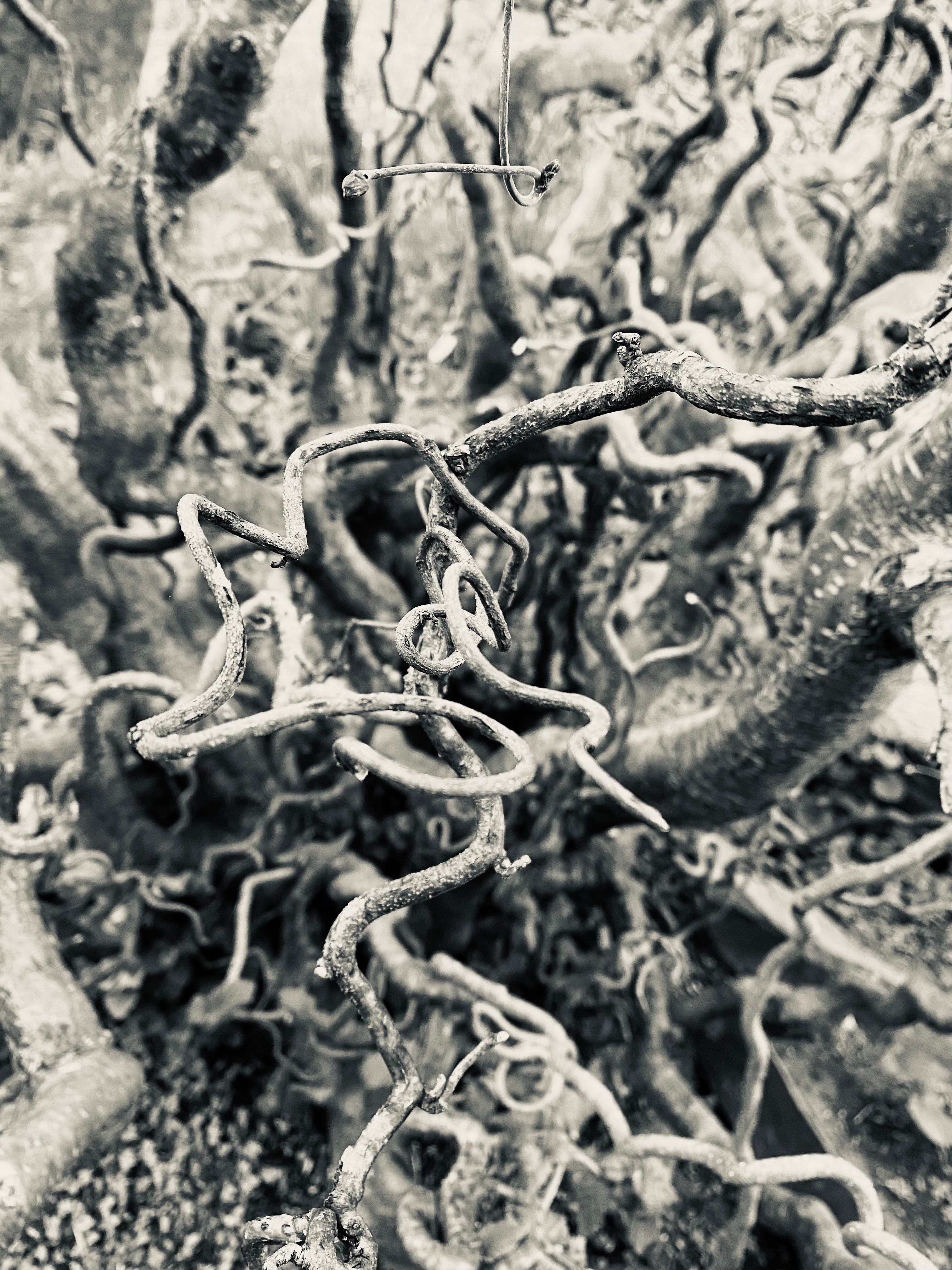
Perhaps the question is not how to escape these inherited structures entirely, but how to inhabit them differently. I remain drawn to the archive, the cabinet, the botanical collection, and even the grid, not despite their histories, but because they hold the tensions and contradictions of how we have come to know the natural world.
Historically, the grid has often functioned as a structure of control linked to mapping, classification, and modernist systems of order. Yet in my own practice, I find myself inhabiting the grid differently. Rather than using it to stabilize meaning, I use it as a temporary structure for holding fragmentation, uncertainty, and relation. The grid becomes less a system of mastery than a breathing framework: a way of processing chaos through repetition, attention, and ritual arrangement.
The challenge becomes: how do we inherit these histories responsibly?
For me, this means remaining in conversation with them rather than erasing them, acknowledging their entanglements with colonialism, extraction, and systems of control while also transforming their logic through practices of relation, reciprocity, and care.
In this sense, shrine thinking becomes a form of feminist revisioning and ecological reorientation: a way of softening inherited structures from within, allowing them to hold uncertainty, multiplicity, and living connection rather than mastery alone.
Perhaps shrine thinking is not about leaving these structures behind, but learning how to breathe differently within them.
Summer Class Highlight:
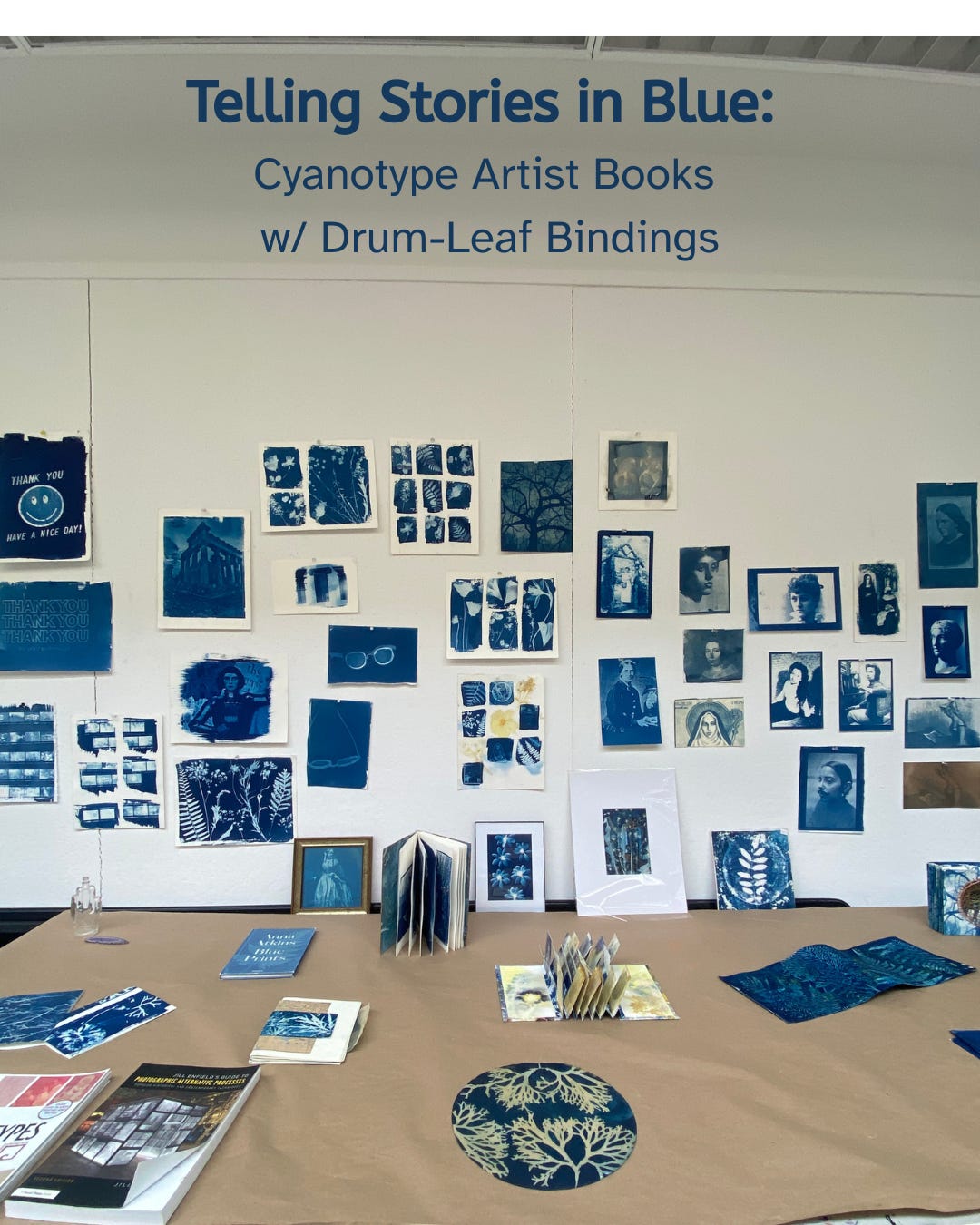
Telling Stories in Blue: Cyanotype Artist Books with Drum-Leaf Binding
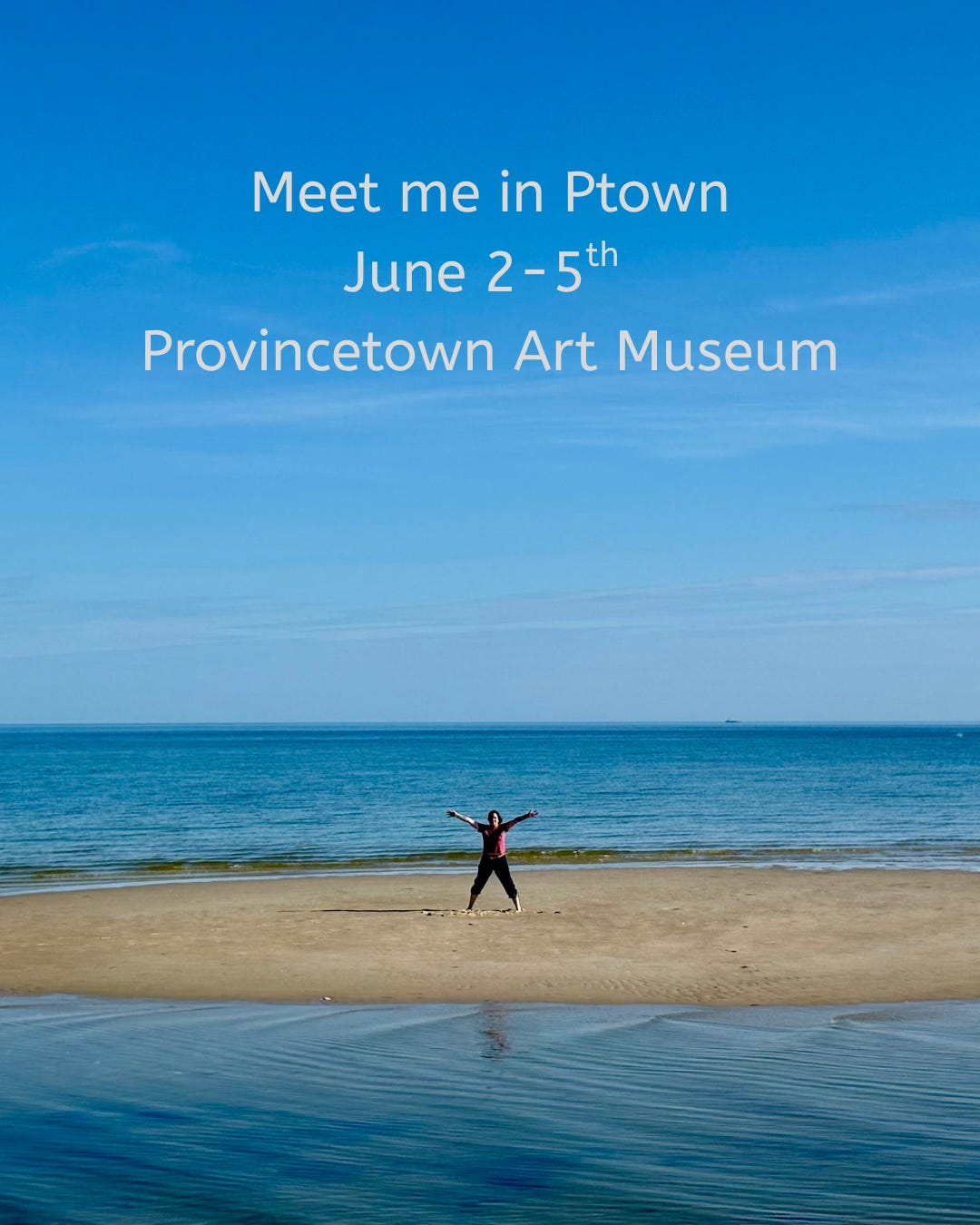
June 2–5 | Provincetown Art Association and Museum
What if your time in Provincetown became a book?
In this hands-on workshop, we gather, print, and assemble transforming fleeting moments into deep blue impressions. Working with cyanotype we’ll create images using sunlight, water, found materials, botanicals, and personal imagery.
We’ll then transform these prints into a handmade artist book using a drum-leaf binding, developed by Timothy Ely. This elegant structure opens completely flat, allowing your images to flow seamlessly across spreads creating a visual narrative held in sequence.
This really resonated with me. I live in NYC where every day can be hectic and can overwhelm you if you let it. I am always looking/observing and seeing things not for what they are but for what they create. Patterns of leaves on the ground. Shadows on the bark of a tree. I wanted to share an image here I took while passing a fabric store, but can't figure out how to share a photo so I'll share it as a note in a moment :) Thank you for sharing this.