Smallness as Power:
Seeds, Hummingbirds, and the Case for a Radical Ecological Aesthetic

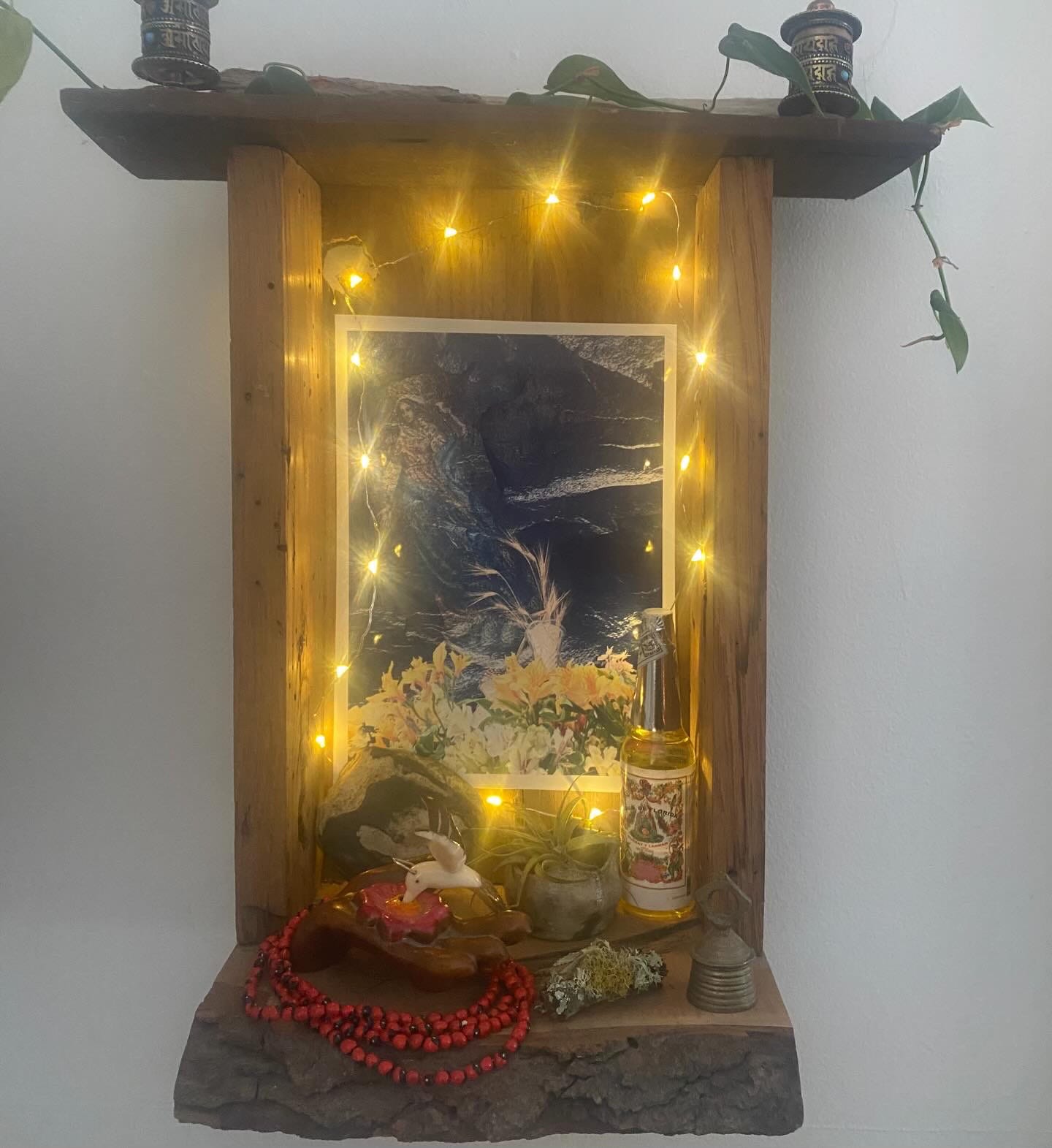
One phrase appears in art critiques with almost ritual certainty: go bigger. Bigger canvas. Bigger gesture. Bigger presence. Monumentality is often taken as a signal of seriousness. If the work is small, it must be tentative and perhaps not yet fully realized.
But what if going bigger is exactly the wrong advice?
Art culture often equates scale with significance: large canvases, sweeping gestures, monumental installations. Yet the living world; the very system that sustains us suggests a very different philosophy.
A seed contains an entire forest.
A hummingbird, barely heavier than a coin, crosses continents on migration routes longer than many human journeys. Its wings beat so quickly they blur into invisibility, yet in that invisible motion entire ecologies depend. Hummingbirds pollinate hundreds of plant species, stitching forests together through the quiet labor of nectar and flight.
Smallness, in other words, is not weakness. It is density.
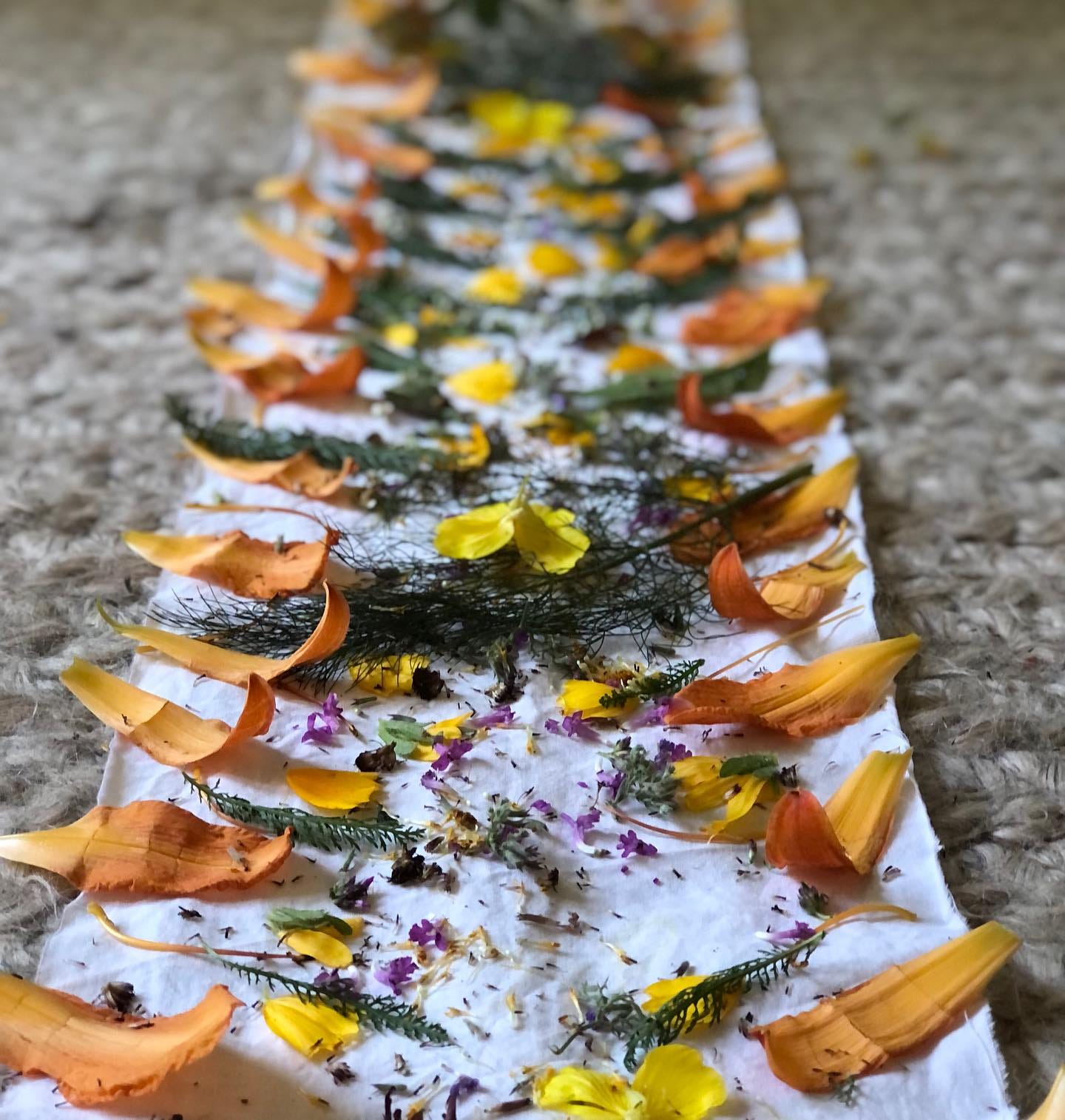
The more time I spend working with plants; printing with leaves, making pigment from petals, making paper from seaweed, listening to the slow intelligence of the herbs the more I recognize that ecological systems operate through intricacy rather than scale. The most powerful forces are often the least visible: fungal threads beneath the soil, pollen drifting on the wind, seeds waiting patiently for the right conditions to open.
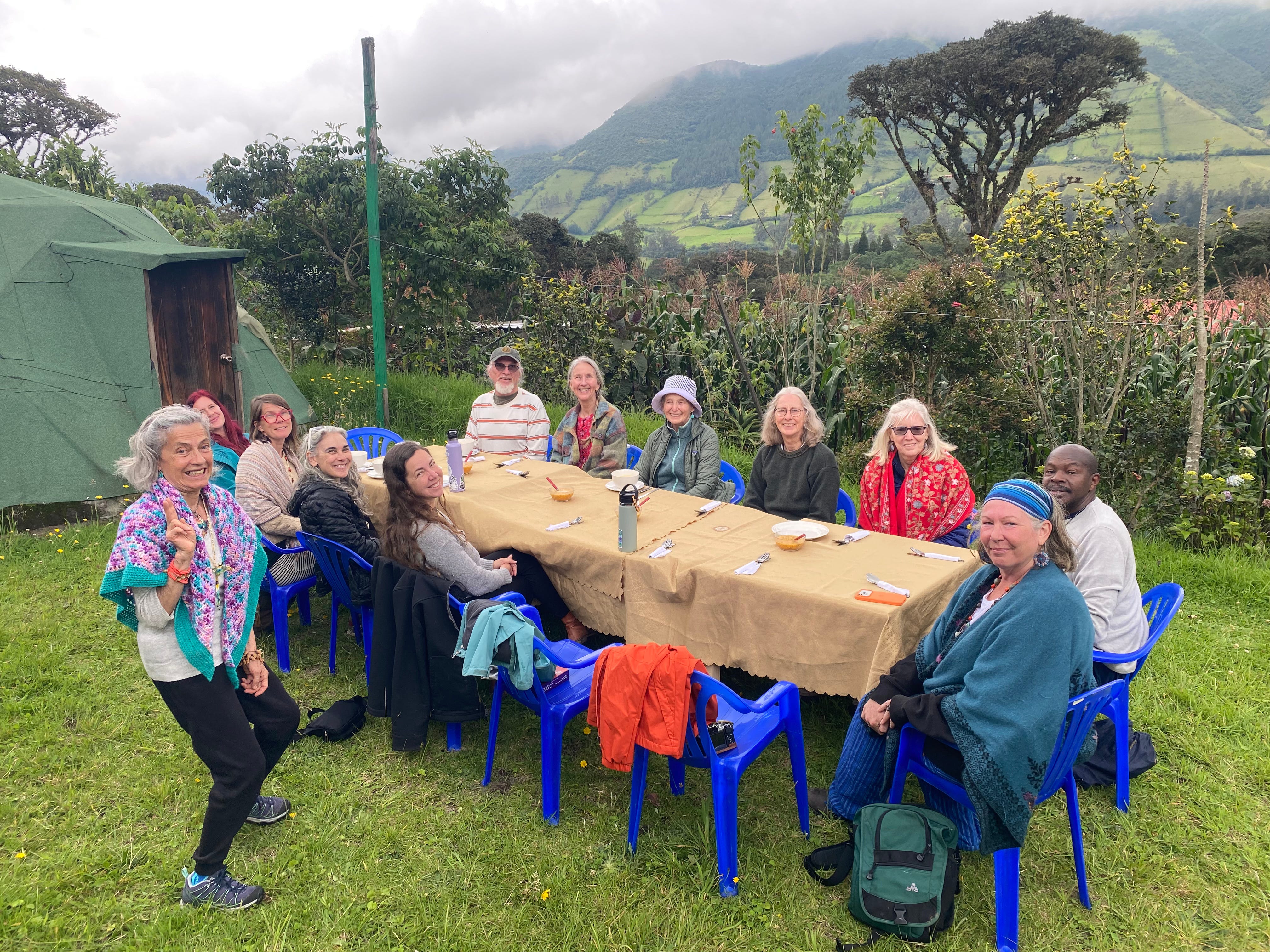
In the cloud forests of the Andes, where I recently spent time learning from local healers, hummingbirds are not simply admired as beautiful creatures. They are understood as medicine. Their hovering presence is associated with healing, protection, and the subtle exchange between plants and the beings who depend on them. Watching them move through orchids and bromeliads, I was struck by how precisely they navigate the world, each movement measured, exact, necessary.
In the Andean world, hummingbirds are far more than beautiful creatures moving through the forest. They are understood as messengers between realms, capable of traveling between the human world and the spiritual domain, carrying prayers and whispers to ancestors and deities. Their astonishing vitality, wings beating faster than the eye can follow made them symbols of endurance and determination despite their tiny size. At night, when a hummingbird enters a state of deep dormancy, its body becoming almost still and lifeless, Andean peoples saw another mystery: the bird’s apparent return from stillness each morning linked it to cycles of resurrection, renewal, and the persistence of life itself. Its iridescent feathers, flashing with shifting light, were often associated with the brilliance of the sun and the divine energy of Inti.
Moving constantly among flowers, the hummingbird also carries meanings of love, fertility, and joy making them a living bridge between blossoms, sunlight, and the invisible forces that sustain the world.
Their power lies in precision.
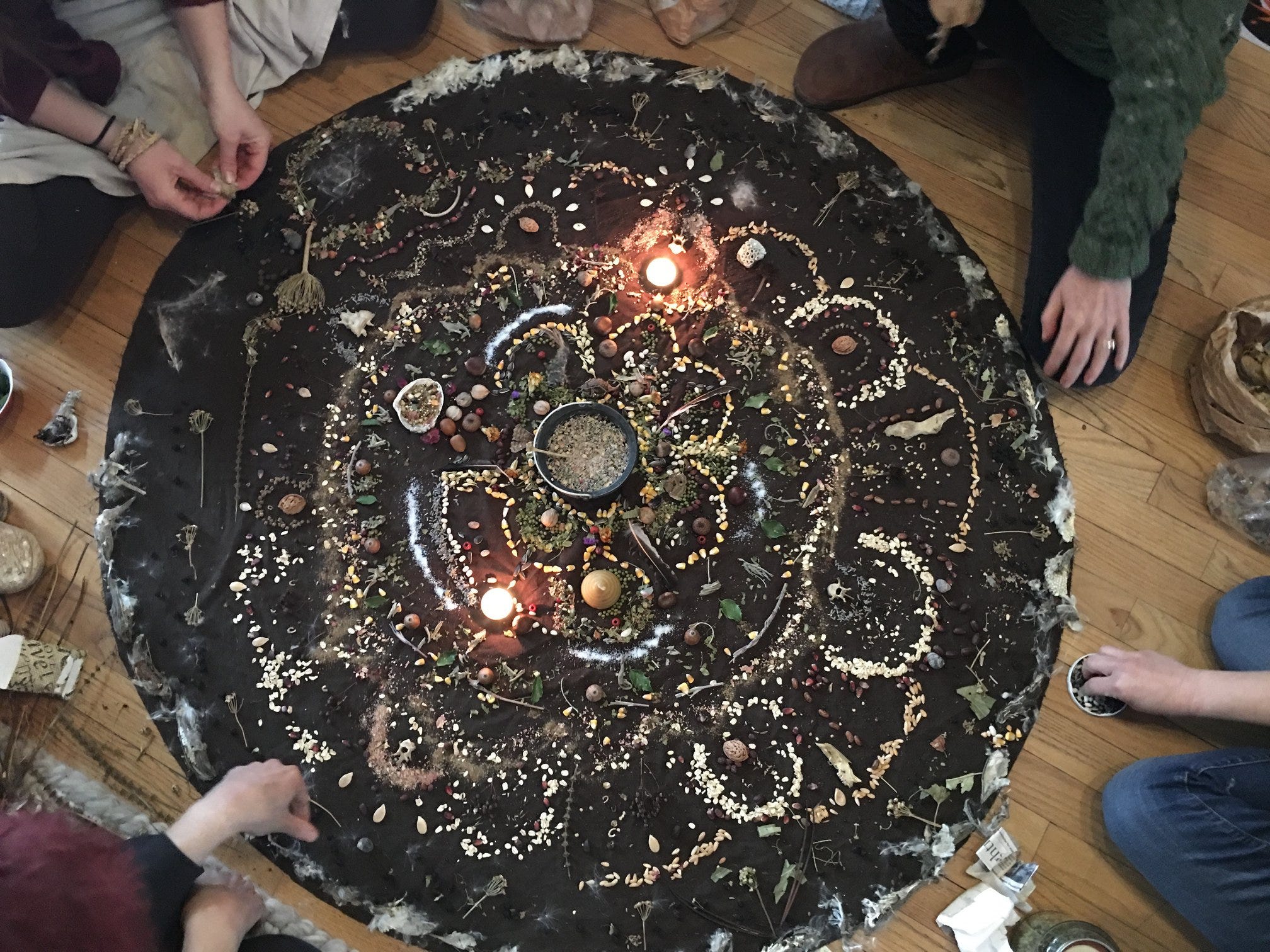
The same might be said of seeds. A seed is a masterpiece of compression: root, stem, leaf, and future flower folded into a structure so small it can slip unnoticed through the fingers. Within that small body lives both patience and explosive potential. Given water, soil, and light, it becomes a field.
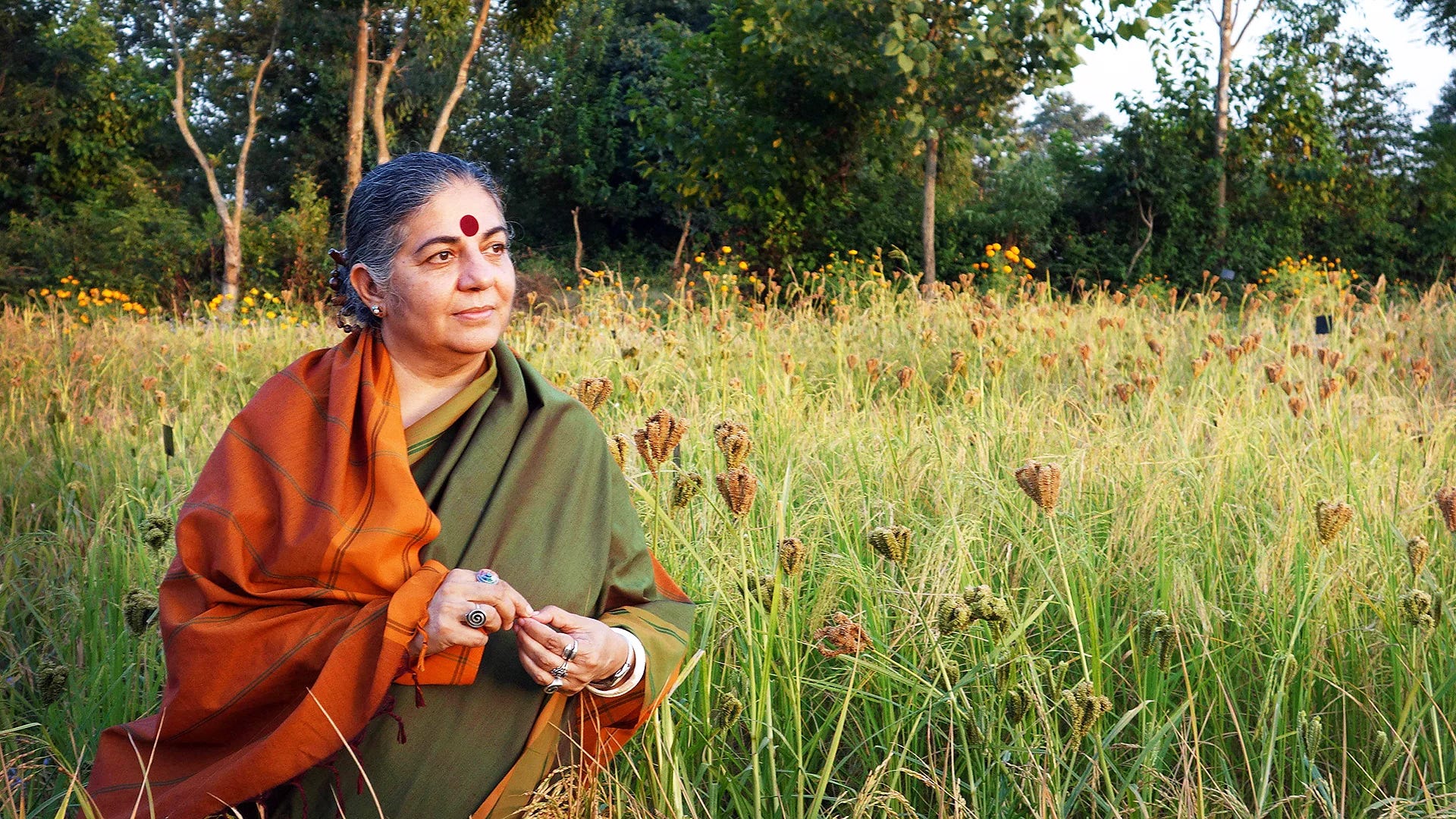
Another teacher who profoundly shaped my understanding of smallness was Vandana Shiva, whom I had the good fortune to study with in 2003 on her farm near Dehradun in India. From her I learned to see seeds not simply as agricultural beginnings but as sacred vessels of memory and transformation. A seed carries within it an entire lineage, the intelligence of past seasons, soils, and human care. It is a tiny archive of life’s resilience, holding the past while quietly preparing a more fertile future.
Seeds are time travelers. They remember landscapes that once were and carry the potential to restore them again. Humans have lived in intimate relationship with seeds for millennia; our ability to save them, steward them, and sow them carefully has allowed both our cultures and ecosystems to thrive.
Shiva often spoke of seeds with a reverence usually reserved for spiritual objects. Seeds, she taught, are talismans of abundance and renewal. They remind us that life’s fundamental impulse is generosity, not scarcity. In their small bodies they carry stories of adaptation, celebration, loss, and survival, tiny time capsules of the earth’s ongoing creativity. Seed stewardship, she suggested, is a form of midwifery: an act of care that helps bring the next generation into being.
Just as hummingbirds move between flowers carrying life from blossom to blossom, seeds move through time carrying the possibility of future forests, gardens, and cultures. Both reveal the same quiet truth: the smallest things often hold the greatest power.
The more I think about seeds and hummingbirds, the more I realize that smallness itself carries a quiet form of resistance. Western art traditions have long favored the monumental, big gestures, big canvases, big institutions, big visibility. Scale becomes a proxy for seriousness. Yet many ecological and Indigenous cosmologies suggest something quite different: power is often concentrated in the smallest forms.
The seed.
The feather.
The medicinal leaf.
The hummingbird’s heart beating more than a thousand times a minute.
To work small, in this context, becomes more than an aesthetic choice. It is a refusal of the extractive logic that equates value with scale.
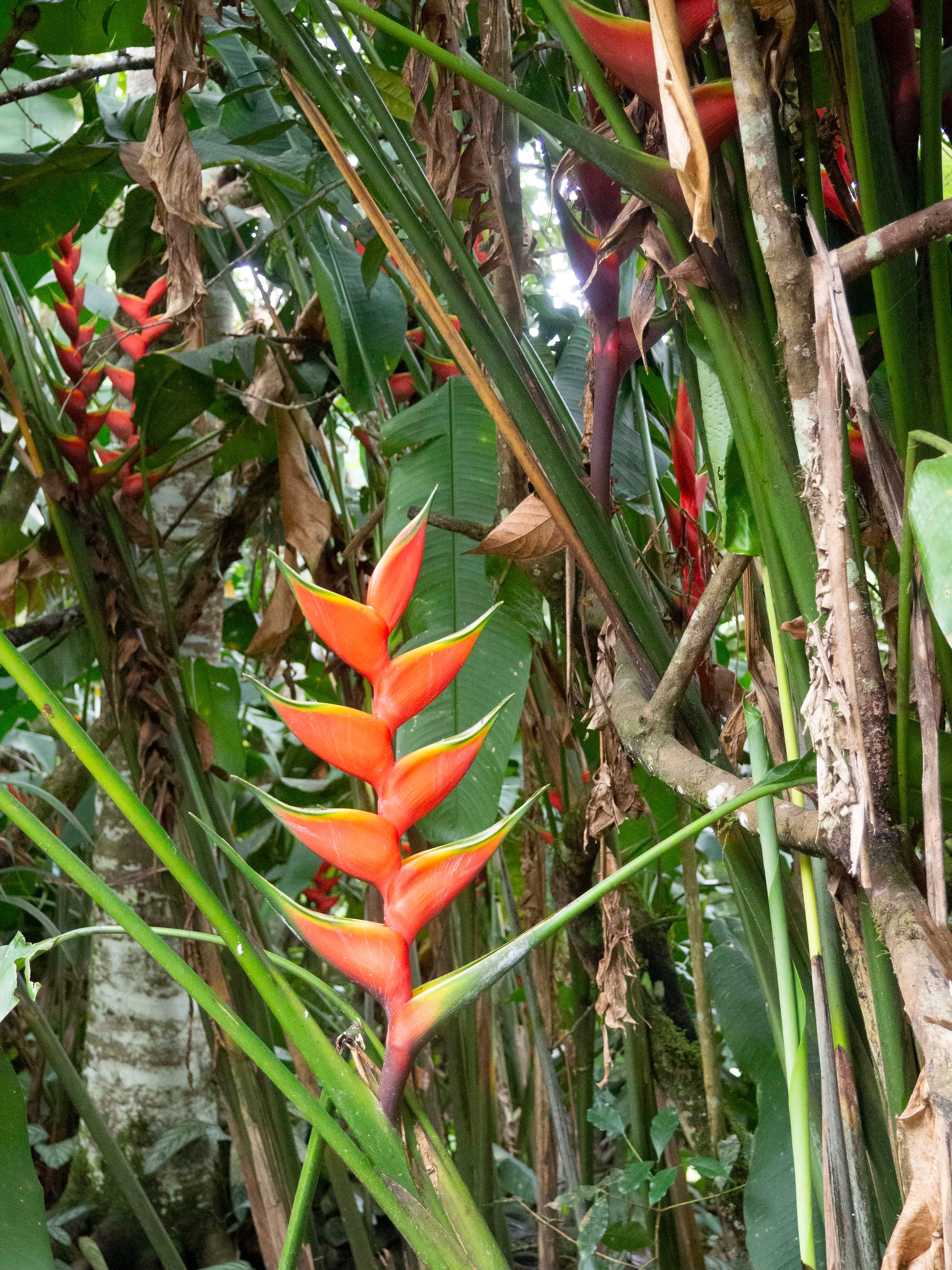
Delicacy, too, becomes a teacher. Fragile forms reveal how deeply life depends on relationship. A hummingbird cannot exist without the particular flowers whose nectar it evolved to drink. A medicinal leaf begins to wilt within moments of being harvested. Lichens flourish only where the air is clean enough to sustain them. Materials such as thin fibers, translucent papers, and ephemeral botanicals carry this same lesson into the studio. They remind us that life survives not through domination but through reciprocity. In this way, delicacy becomes a quiet expression of ecological interdependence, an idea deeply rooted in relational herbalism and the Wise Woman traditions that have shaped my own practice.
Precision is another aspect of this smallness. Working with fragile materials slows the body down. It asks for breath, attention, and presence. Placing a single petal on sensitized paper, stitching a small reliquary, or printing the faint impression of a leaf’s veins becomes an act of devotion rather than production. In a culture defined by speed and excess, this kind of attention can feel quietly radical. Precision becomes a form of care, an insistence that the smallest gestures deserve patience and respect.
Small works also change the relationship between viewer and object. When an artwork is intimate in scale, it asks us to come closer. We lean in. We lower our voices. Often we bow our heads slightly without even realizing it. The body adjusts itself to meet the work. This shift is subtle but profound: instead of dominating the space, the artwork invites reverence. In the cloud forest shrines dedicated to the Madonna of the Hummingbird, devotion is never monumental. It is intimate, quiet, almost hidden among moss and flowers yet it carries immense spiritual power.


Perhaps this is because the miniature itself is a kind of portal. Small objects often contain entire worlds: reliquaries, nests, folded books, seed packets, incantations written in tiny script. Like the hummingbird itself, they demonstrate how a small form can hold vast movement and meaning. A hummingbird’s body may be small, yet its migrations span continents. Its delicate nest contains intricate architectures of moss, lichen, and spider silk. Each tiny flight between blossoms supports entire systems of pollination. In this sense, the miniature operates almost like a fractal: the part reflecting the whole.
Seen through this lens, smallness, delicacy, and precision begin to look less like limitations and more like a radical ecological aesthetic—one that mirrors the ways life actually organizes itself in the natural world.
What if our aesthetics learned from this?
What if smallness were not a limitation but a deliberate stance; a way of working that honors the scale at which ecological relationships actually occur?
In my studio practice, this has meant moving toward intimate forms: small shrines, folded books, reliquaries that hold botanical fragments, papers printed with a single leaf. These works require the viewer to come close to lean in, to slow down, to adjust their breathing and attention.
The work does not dominate the room. Instead, it invites a different gesture, one closer to reverence than spectacle.
In an era defined by extraction and excess, these qualities feel quietly radical.
The monumental gestures of industrial culture, clear-cut forests, open-pit mines, sprawling infrastructure—operate through expansion and domination. They treat land as something to scale up, enlarge, and maximize. Ecological systems work differently. They thrive through networks, subtleties, and careful balances.
Smallness, delicacy, and precision mirror this logic. They slow the maker down. They encourage materials to be used sparingly. They ask the viewer to approach gently rather than consume quickly. They remind us that attention itself is a form of care.
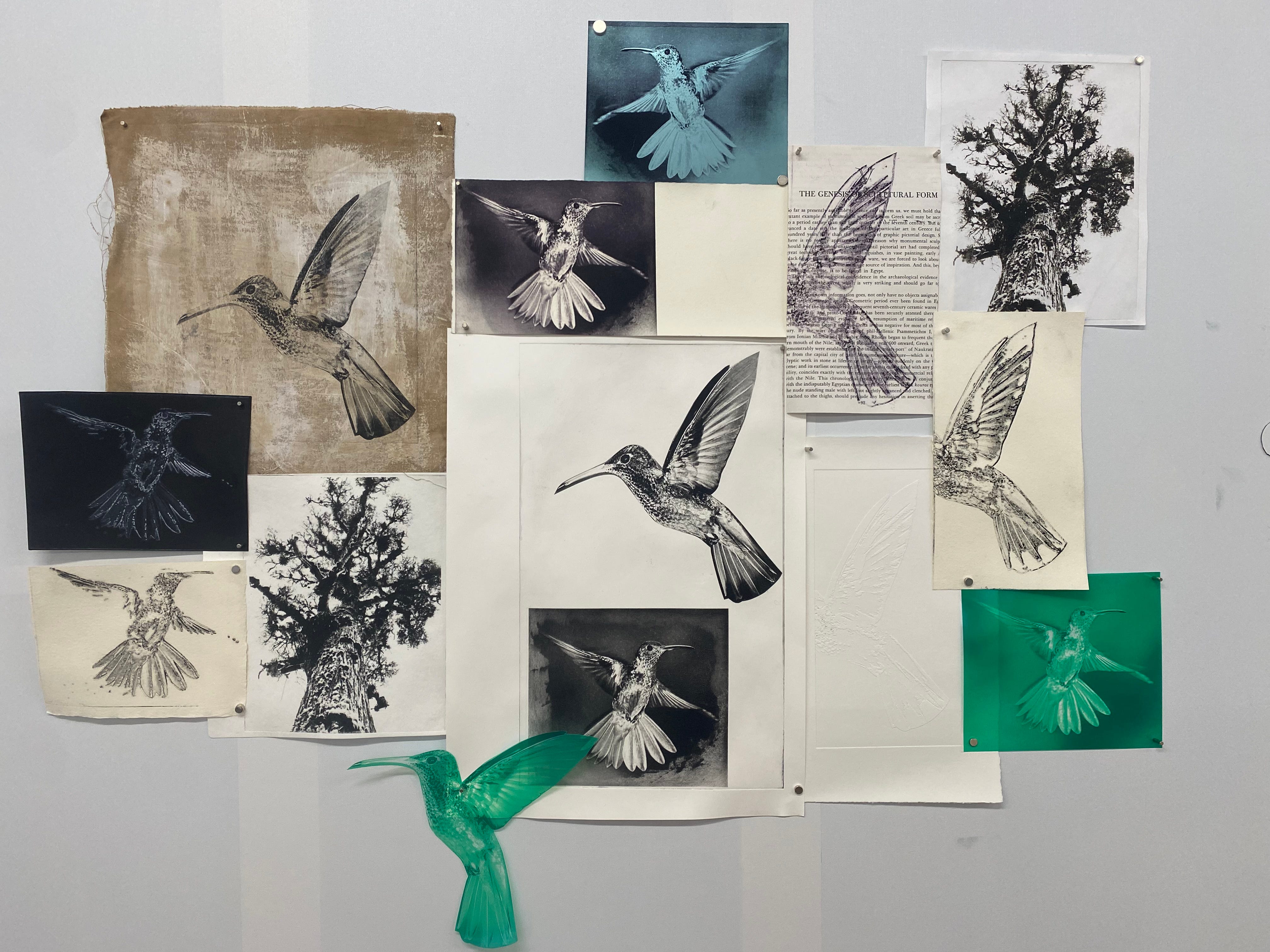
Perhaps the hummingbird offers the most eloquent metaphor. It moves so fast that stillness appears impossible, yet when it hovers beside a flower the entire world seems to pause around it. Wings beating hundreds of times per second, it remains suspended in a moment of perfect balance—motion and stillness at once.
In that fragile equilibrium we glimpse a different model of power: not the power of scale, but the power of attunement.
Seeds know it.
Hummingbirds embody it.
And perhaps our art practices can learn to trust it as well.
So many classes coming up:
Art and Revolution of Self Care 2026
My free course to all paid members will take place in April this year, and as an additional perk all paid members will receive a small set of ecological scores in the mail that relate to self care! Paid members you don’t have to do anything to sign up.
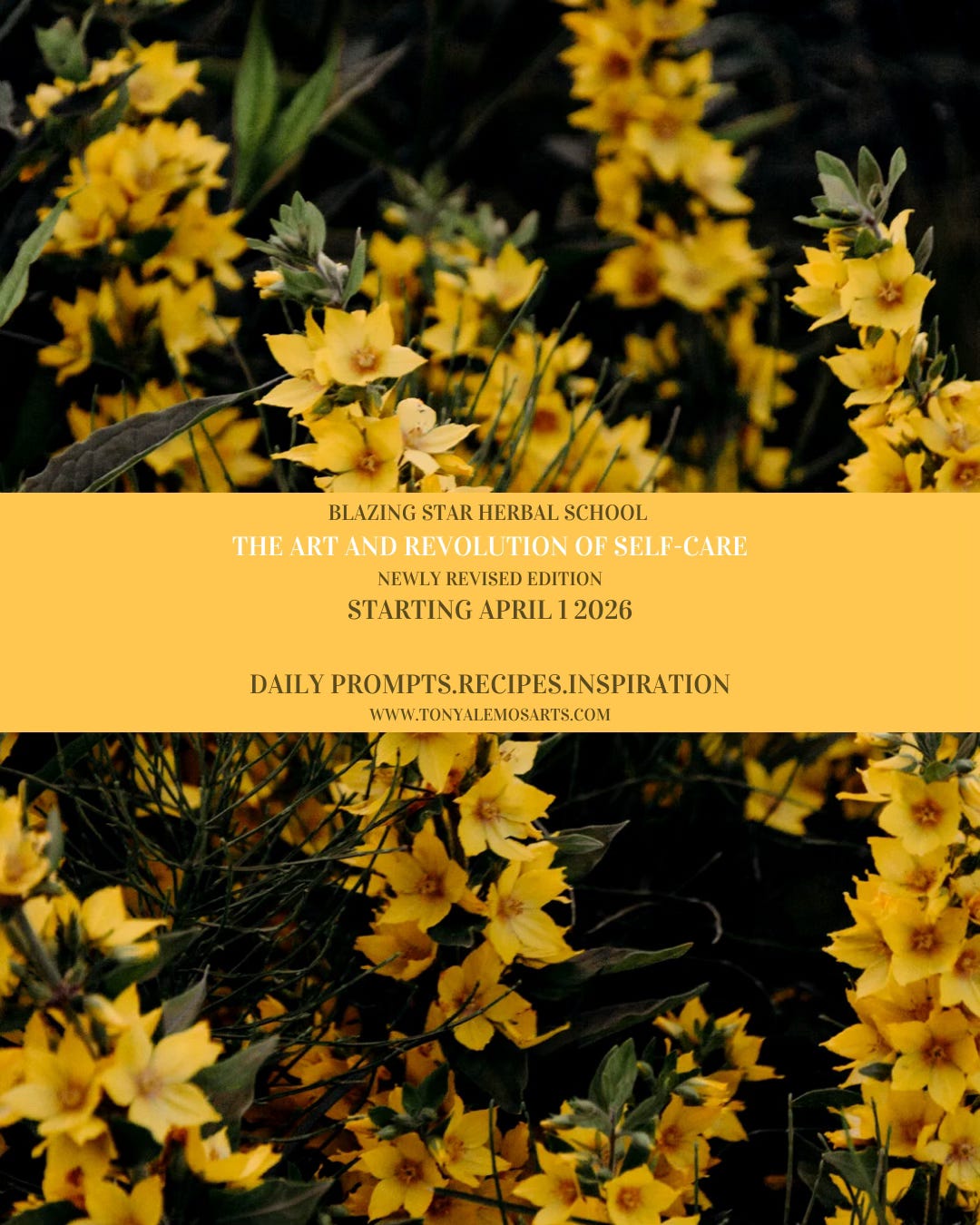
Art That Breathes is a reader-supported publication. To receive new posts and support my work, consider becoming a free or paid subscriber. Become a paid subscriber and receive Art and Revolution of Self Care course for free
Spring 2026 Workshop Dates
The fully revamped 🌿Botanical Art Apprenticeship 2026🌿- where plants become pigment, paper, and prayer. This program begins on Sat April 25th
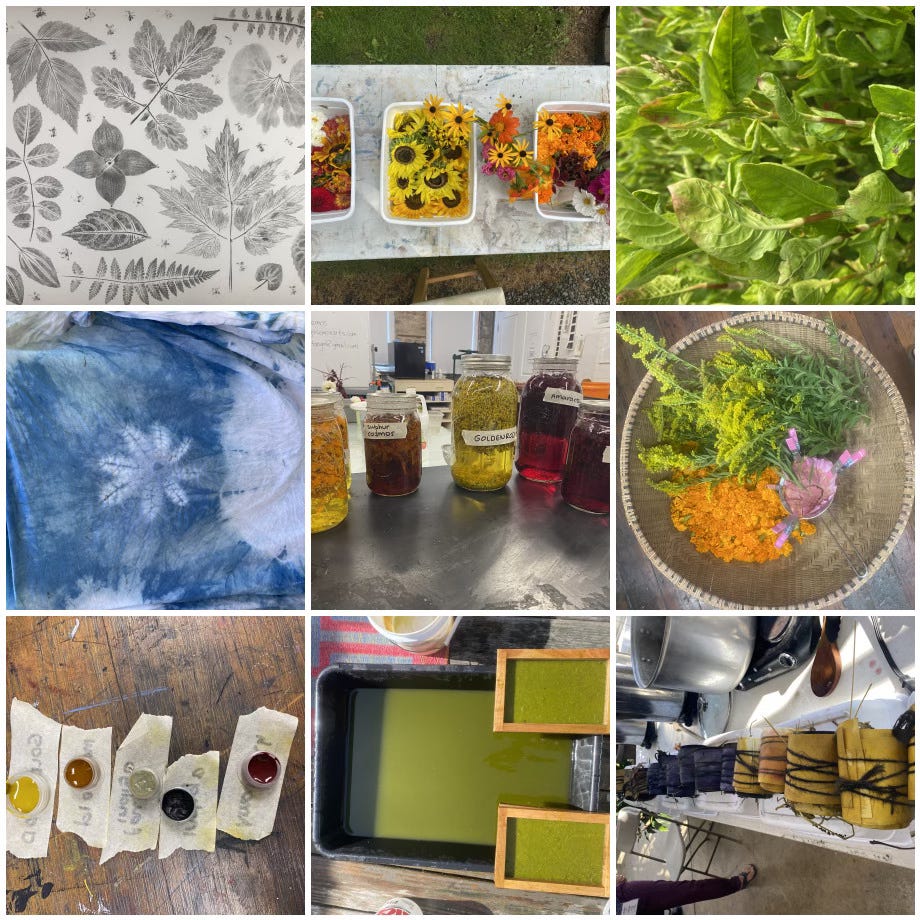
A slow, earth-rooted program for those wanting to work with plants on paper or fabric—dyeing, ink and pigment making, plant-based paper making, and exploring alternative photo methods like cyanotype, lumen prints, and anthotypes. A six-month journey through botanical craft from plant to page.
In person day long workshops:
🎨Creative Explorations in Cyanotype Sat March 14th 10-4pm Conway MA
🎨End Paper Extravaganza (Paste paper /Suminagashi marbling) Sat April 4th 10-4pm Conway MA
🎨The annual Eco Printing with Flowers this class will sell out ASAP so dont snooze on it! Friday, August 21, 2026, 10:30 AM 4:00 PM ****(just 1 more spot in this class!!)*****
* Early registration for all classes is super helpful!
Out and about!
So far i can announce that I will be teaching at at (several more herbal announcements coming soon!!)
🌿 Western MA Herbal Symposium May 9th
🌿Wild Indigo Herb Fest in Kentucky in June
🌿Misty Meadows Women’s Herbal Conference in VT in August
🌿 BotanicWise Herbal Gathering Sept 18-20 Kempton PA
Art that Breathes and Book Making Classes
🎨MARLBORO STUDIO SCHOOL The Living Page: Artist Books Inspired by Art that Breathes (May 2 & 3)
🎨Shepherd and Maudsleigh Printmaking Studio, Newton MA
May 16-17 “Ancestral Folds: Storytelling Through creating a Chinese Thread Book”
August 8-9 The Handmade Herbarium
🎨Provincetown Art Museum June 2-5th Telling Stories in Blue: Cyanotype Artist Books with Drum-Leaf Binding
🎨Truro Center for Arts July 20 - 24th Creating a Collection of Artist Books: Nature as Muse
Loved reading this on a rainy afternoon.