The Flâneuse:
Wandering as Creative Practice

I recently discovered there was a word for something I have loved my entire life: wandering through cities in search of inspiration and good coffee.
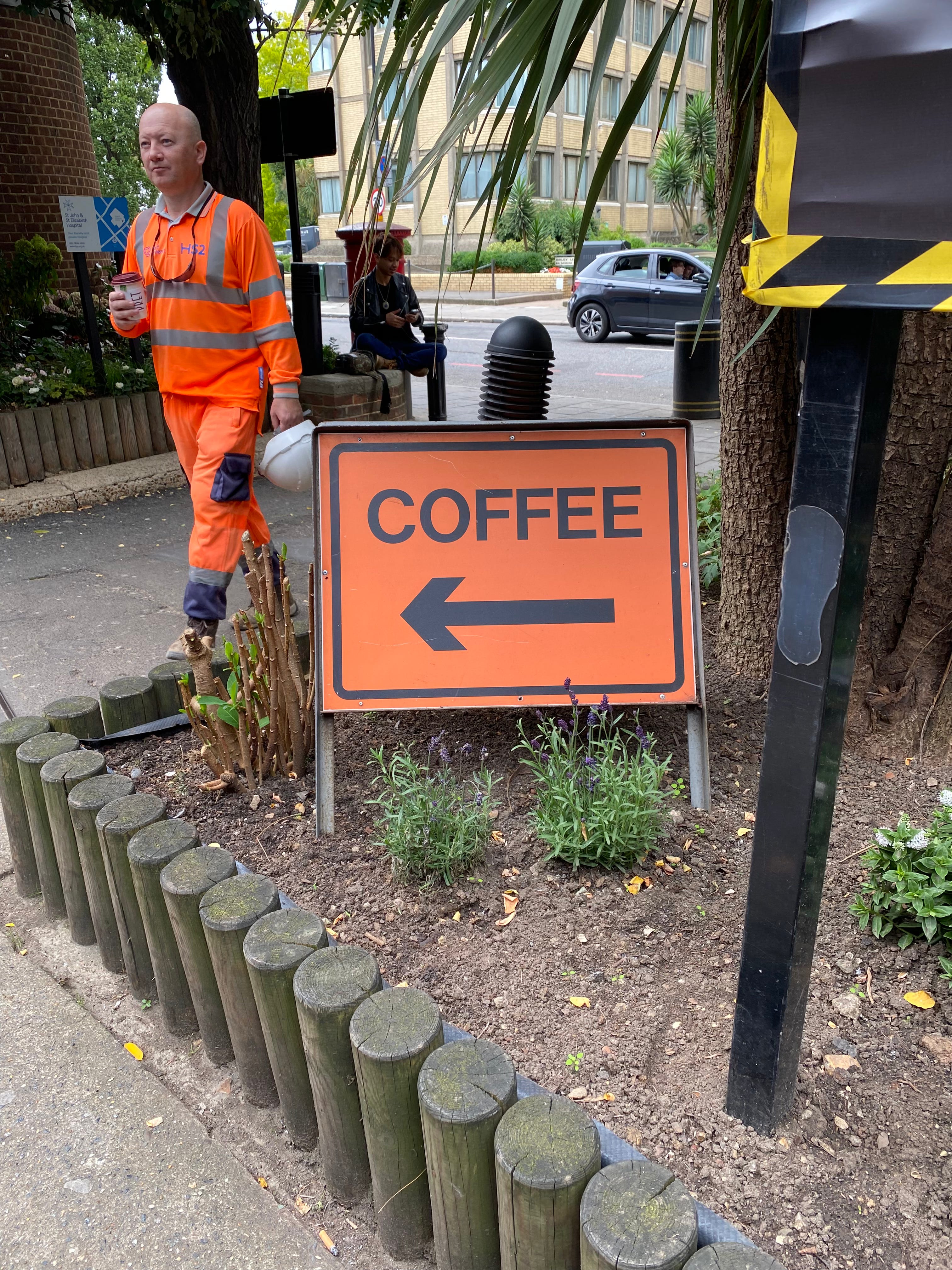
The word is flâneuse (flahn-EUHZ), the feminine form of the French flâneur; a stroller, observer, wanderer of city streets. But the flâneuse is more than someone who simply walks. She moves through the city as a kind of cultural camera, absorbing textures, overheard conversations, shifting light, architecture, storefronts, gestures, rhythms, and small human situations!
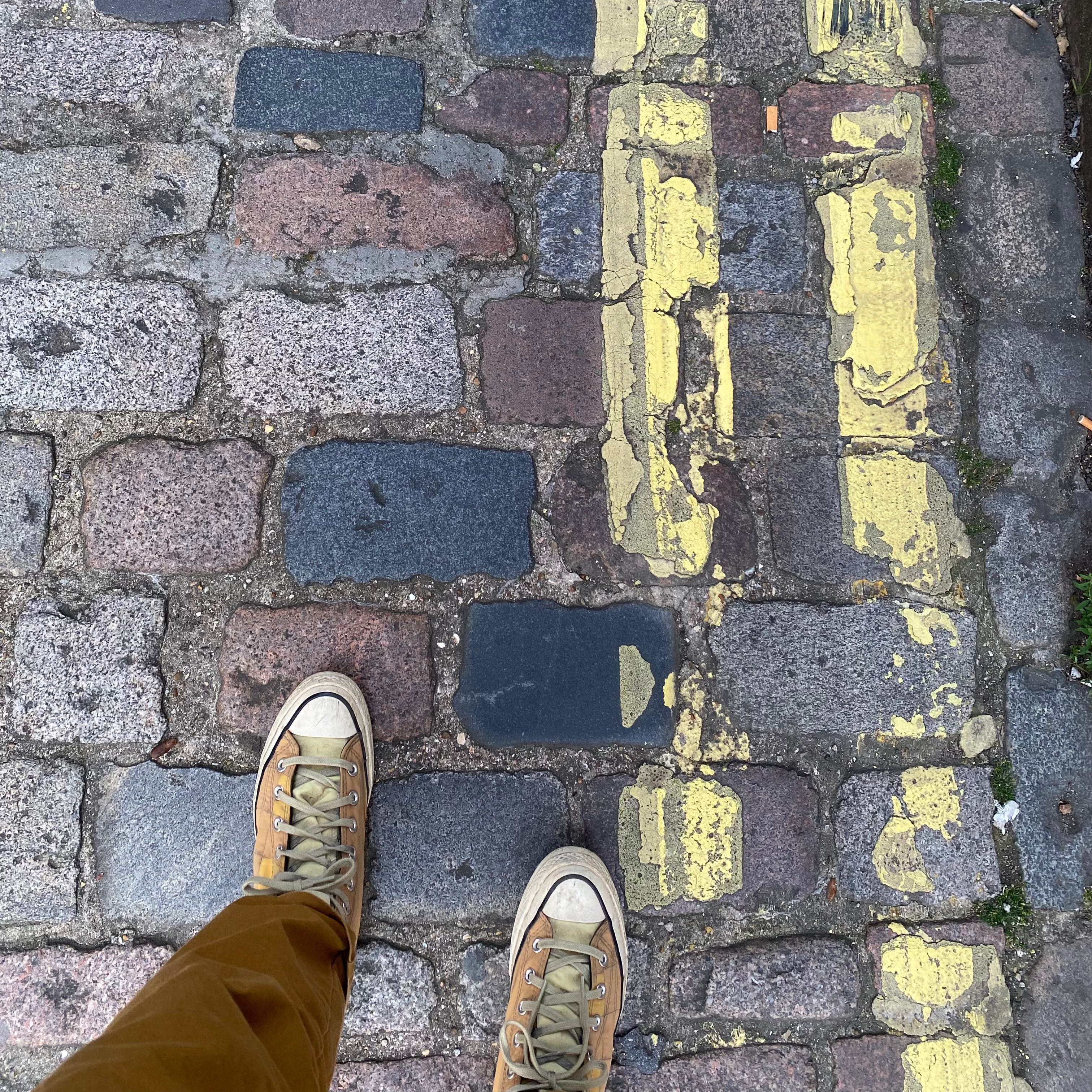
I realized I have been practicing this form of wandering for as long as I can remember. I grew up in North London, first wandering the streets of Hampstead and Highgate, then drifting through Camden Town, Covent Garden, discovering Neal’s Yard, and the used bookstores of Charing Cross Road. Later came Athens, where I loved getting lost in Plaka’s winding streets. Then Boston. Eventually I settled in rural New England, at this point my wanderings continued through shorter travel to places like La Paz, Bolivia, Chile, Prague, Quito. Each trip shaped the way I learned to observe. The flâneuse wanders not necessarily to arrive somewhere, but to notice.
And the moment I encountered the word, I felt recognized by it!

It is difficult now to imagine that one of my simplest pleasures sitting alone at an outdoor café terrace with a notebook and a coffee was once considered socially transgressive for women. In the early 1900s, the streets belonged to the flâneur: the male wanderer who moved freely through the city, observing modern life from café and boulevards. A woman alone in those same public spaces was often treated with suspicion. If she sat unaccompanied at a café, she could be flagged by police as a “public disturbance” or assumed to be a sex worker. Public leisure, observation, and aimless wandering were privileges largely reserved for men.
A woman was expected to justify her presence. She was, in many ways, treated as a guest in a man’s world. Then came the Années Folles — the “Crazy Years” of the 1920s.The flappers, or les garçonnes, did more than cut their hair and shorten their skirts. They reclaimed public space. They sat at cafés alone. They ordered their own drinks. They paid their own tabs. They wandered cities with a new kind of visibility and autonomy.
Paris in the interwar years became a lab for new ways of being a woman: artist, writer, intellectual, traveler, lover, observer. Women began occupying studios, salons, bookstores, cafés, and streets with a freedom that would have scandalized earlier generations. Figures like Kiki de Montparnasse embodied this transformation: artist, singer, muse, performer, and unapologetic participant in public cultural life. Coco Chanel reshaped not only fashion, but the physical freedom of women’s bodies and movement through the world, freeing women from corsets and designing clothing that allowed them to move, work, smoke, dance, travel, and wander more freely. Claude Cahun who I have previously written about wandered the edges of identity itself, using photography and performance to challenge gender norms decades ahead of their time. And in the bookstores and salons of Paris, women like Gertrude Stein created intellectual gathering places where artists, writers, and wanderers could meet, argue, dream, and reinvent culture together.
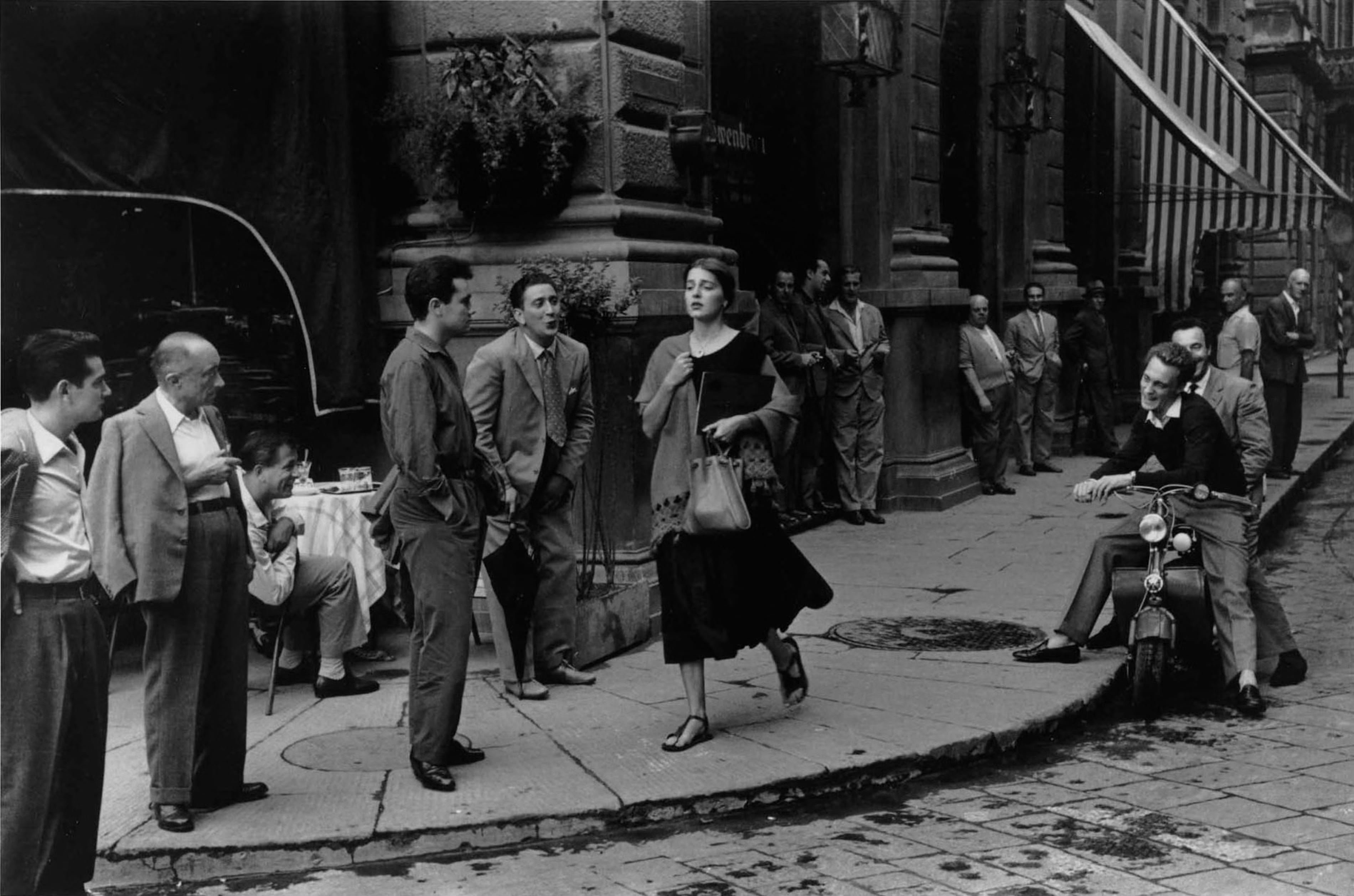
The café terrace became more than a place to sit. It became a threshold of independence. And perhaps this is part of why the figure of the flâneuse still resonates today. She is not simply a woman who wanders. She carries the history of women claiming the right to observe, linger, move slowly, occupy space, and participate fully in public life without explanation.
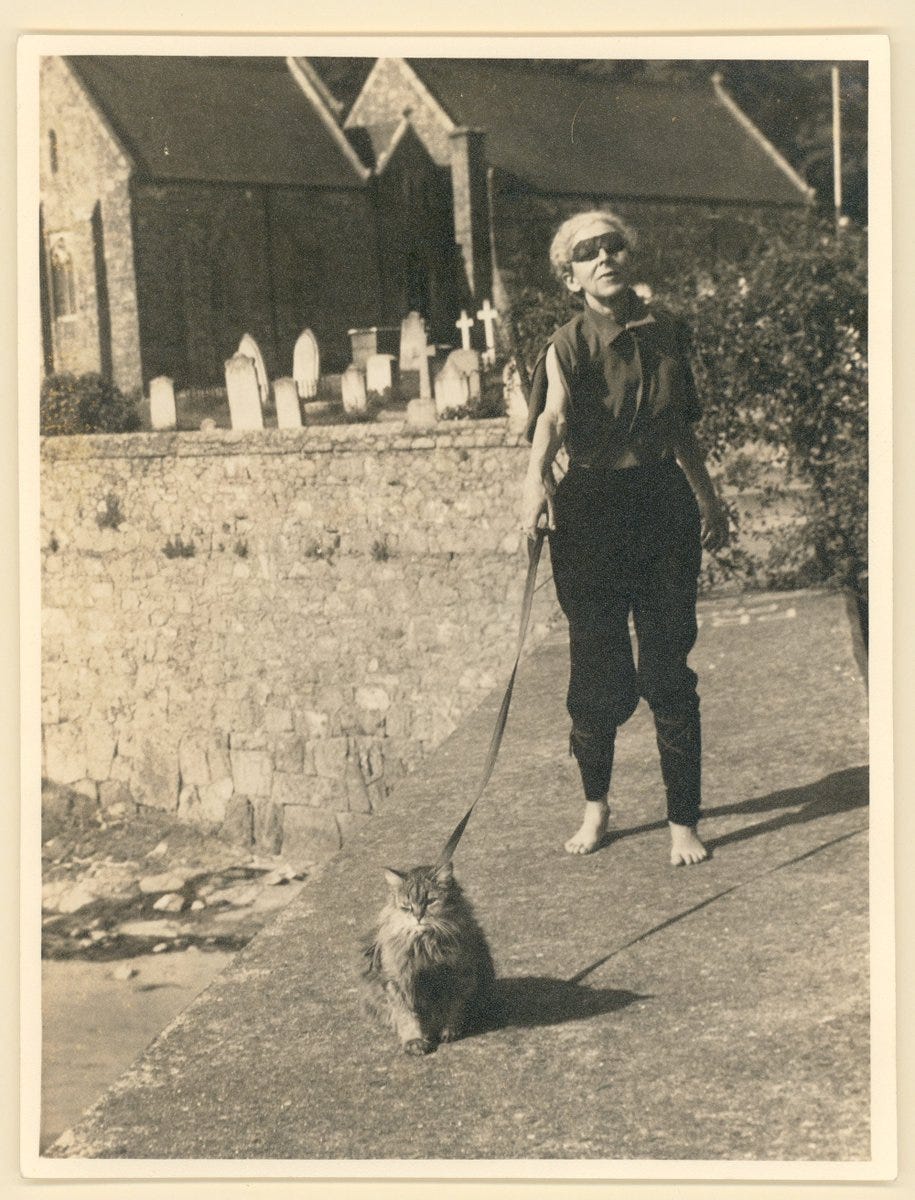
There is something deeply feminist about wandering without justification. I think about the women whose work embodied this spirit long before I knew the term.
For years I thought of my habit of drifting through unfamiliar streets, ducking into bookshops, lingering in cafés, collecting visual fragments, and allowing intuition to guide my movement was simply a personal hobby. But perhaps wandering is less aimless than I thought. Perhaps it is actually a creative methodology.
As an artist, I have come to understand that my work begins long before I enter the studio. It begins while walking. While watching steam rise from a cup of coffee in a crowded café. While noticing weeds growing through cracks in pavement. While overhearing a sentence that feels like poetic. While turning down a side street for no reason except curiosity.
The flâneuse understands that the art of noticing itself is generative. There is another word I recently encountered that feels connected to this way of moving through the world: dérive, a term developed by the mid-century Situationists, meaning roughly “to drift.”
The dérive was a practice of wandering through urban spaces guided not by efficiency or destination, but by curiosity, intuition, atmosphere, and emotional pull. Participants drifted through cities allowing streets, light, architecture, chance encounters, and hidden pathways to shape their movement.
The point was not to arrive. The point was to experience how a place changes your perception. The Situationists called this psychogeography: the study of how environments affect emotion, behavior, and imagination. I realize now that many of my own walks have been a kind of dérive. Following a side street simply because the light looked beautiful. Entering a bookstore without intention to buy anything. Becoming drawn toward alleyways, staircases, overgrown lots, or neighborhoods I cannot entirely explain.
Some places repel. Others magnetize. Certain streets feel alive with possibility while others seem to flatten the spirit. The dérive asks us to pay attention to these invisible emotional currents. And perhaps this is part of why wandering feels so creatively important. It interrupts the logic of productivity and allows us to become porous to place again.
Among the women who most embody the spirit of the flâneuse is Virginia Woolf.
In her 1930 essay Street Haunting: A London Adventure, Woolf turns a simple errand, buying a pencil, into an exploration of the city’s psychological and imaginative life. The streets of London become more than backdrop; they become portals into other selves, other moods, other ways of inhabiting the world. For Woolf, wandering offered a temporary release from the fixed identity of the self. While walking anonymously through the city, she describes becoming porous, slipping momentarily into the lives of strangers glimpsed through windows, overheard conversations, passing gestures, and illuminated shopfronts. The walk becomes a kind of imaginative drift. (She was a dérive before the word existed)
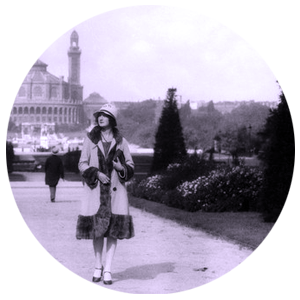
“The greatest pleasure of town life in winter — rambling the streets of London.” Wolf
What I love most about Woolf’s wandering is that it resists efficiency (today’s productivity culture) entirely. The original reason for leaving home, to buy a pencil, quickly dissolves beneath the pleasures of observation, atmosphere, and speculation. The city itself becomes the destination. She understood something essential: that wandering is not distraction from creative work, but part of the work itself.
Vivian Maier wandered through Chicago and New York with her camera, documenting ordinary moments with astonishing sensitivity: reflections, gestures, workers, children, shadows, fleeting encounters. Her photographs reveal the poetry hidden inside the everyday.
And of course contemporary photographer Sophie Calle turned wandering itself into conceptual art. In projects such as Suite Vénitienne, Calle followed strangers through city streets, shadowing their movements through Venice and documenting the experience through photographs, notes, maps, and fragments of narrative. In another work, she invited people to sleep in her bed while she observed and recorded their presence. Again and again, her art blurred the boundaries between observation, intimacy, surveillance, ritual, and storytelling.
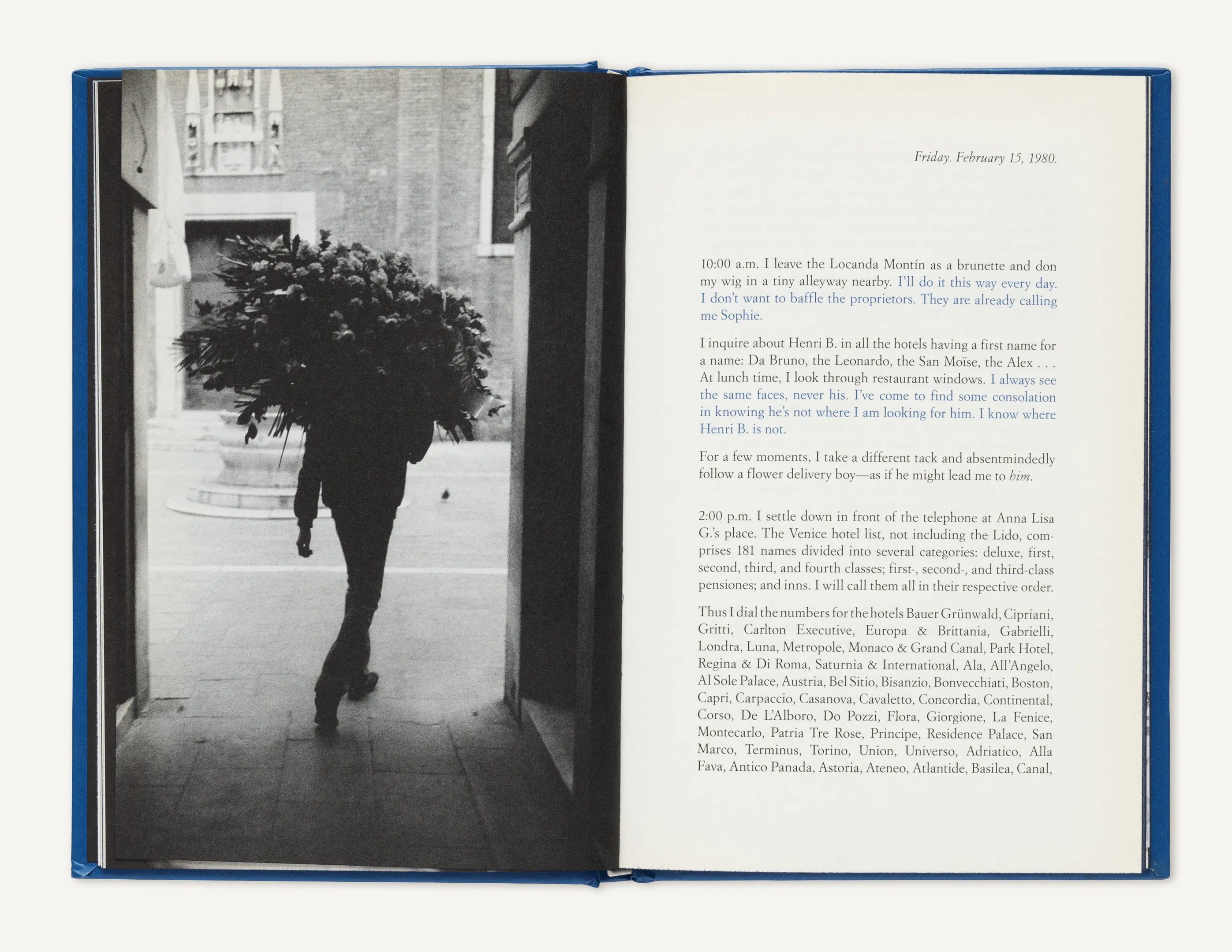
What fascinates me most about Calle is the way she transforms ordinary acts of noticing into charged psychological terrain. The city becomes not merely a backdrop, but a living field of chance encounters, projections, disappearances, and emotional residue. Her wandering is neither passive nor purely observational. It is participatory, Investigative, often unsettling. A kind of emotional dérive?
Calle understood that walking through a city means moving through layers of human longing, secrecy, loneliness, performance, and desire. Her work asks difficult questions: What does it mean to observe another person? When does curiosity become intrusion? Can following become a form of storytelling? Can attention itself become art? To me this is part of why her work remains so compelling. She reveals that wandering is never neutral. To drift through a city attentively is also to enter into relationship with strangers, architecture, memory, absence, and the invisible emotional currents of place.
These women understood that walking can be both artistic practice and philosophical act. And perhaps this is why so many artists, writers, photographers, and thinkers continue to walk cities in search of something they cannot fully name. Not answers exactly, but encounters. Fragments. Openings. Moments of unexpected recognition.
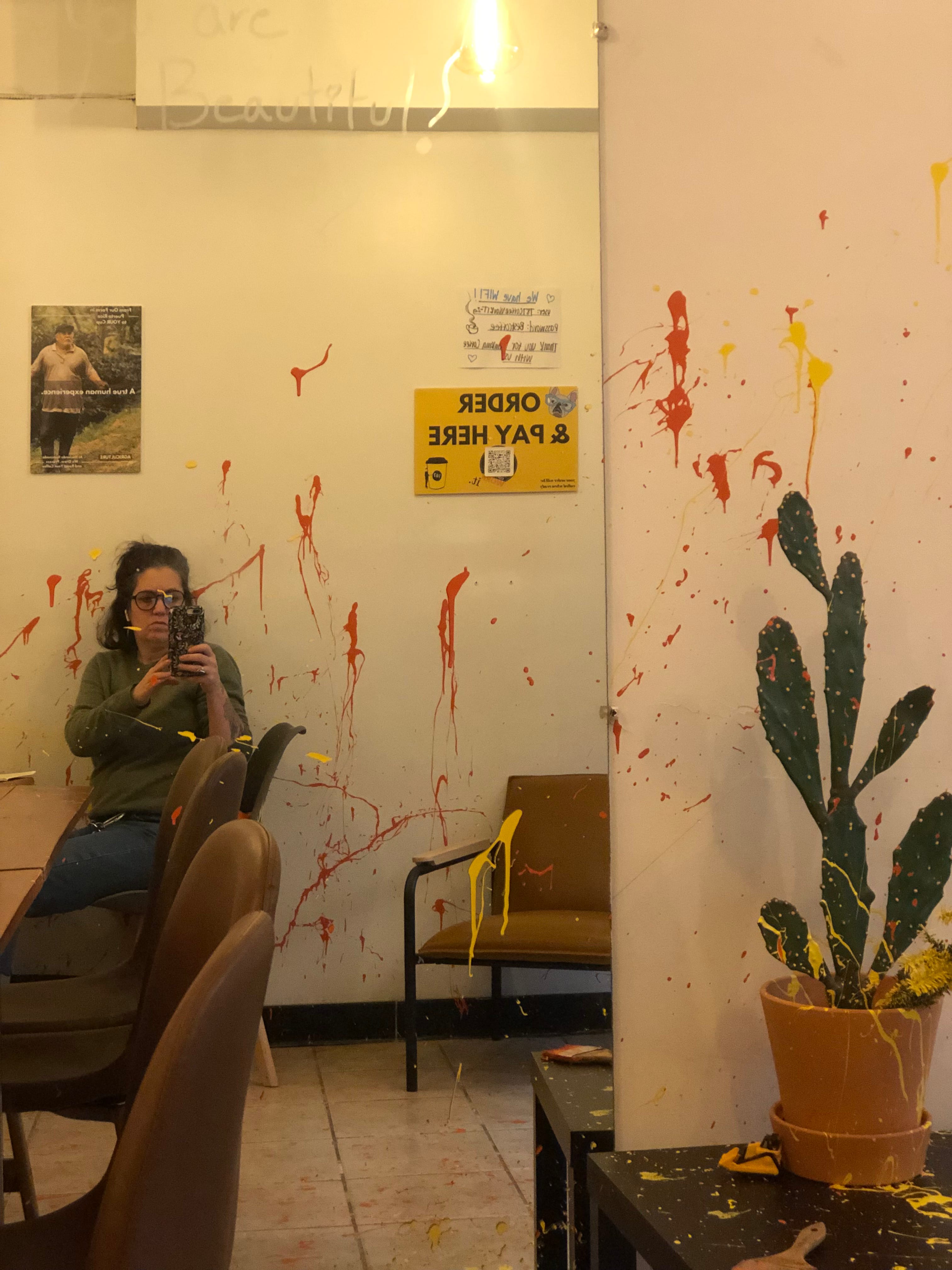
I sometimes think artists need “third places” as much as studios. For me, inspiration rarely arrives at a desk on command. It arrives while moving through a city with no strict agenda except openness. A good café. A long walk. A notebook. Time enough to notice things.Cities become living archives. And wandering becomes a way of reading them.
I love the small rituals of it: searching for the right coffee shop, sitting by a window, watching strangers pass, scribbling observations that may later become artwork, essays, installations, or simply ways of understanding the world more deeply.
The flâneuse collects atmosphere. The flâneuse drifts through atmospheres as much as streets. She practices receptivity. She trusts that what appears incidental may later reveal itself as essential.
But What Happens When the Flâneuse lives Rurally
My love of wandering does not end at architecture and cafés. It extends into goldenrod growing through chain-link fences, milkweed beside parking lots, river paths behind industrial buildings, seed heads in vacant lots, and silent conversations with maples and dandelions.
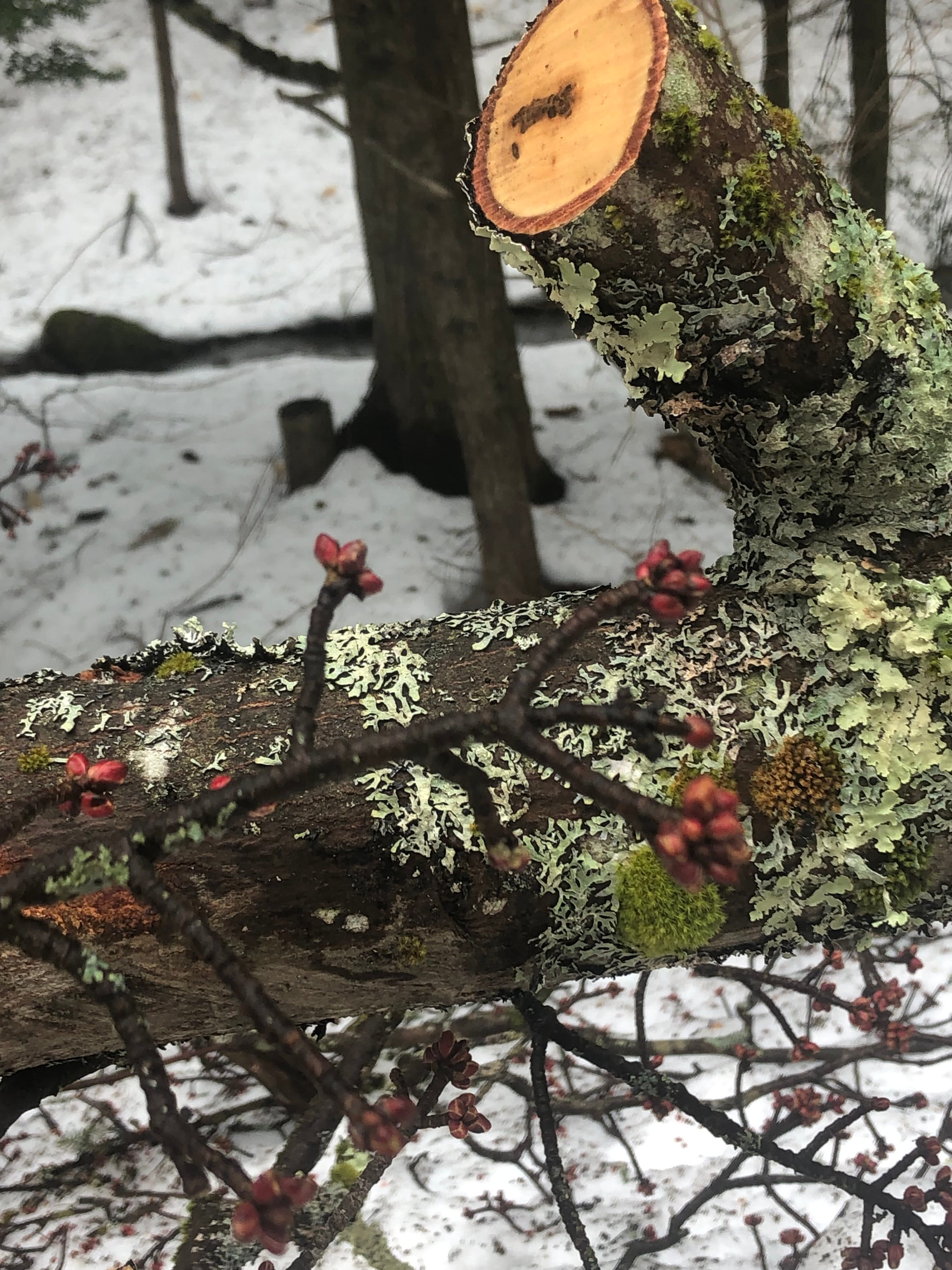
I love am observing culture and ecology simultaneously. How humans and nature interact, hidden conversations between human and non human beings. And perhaps this is where my relationship to the flâneuse begins to evolve.
The classic figure of the flâneuse is deeply urban. The city is central to the tradition: boulevards, cafés, crowds, shop windows, anonymity, modernity. But many contemporary artists, naturalists, walkers, herbalists, and ecological thinkers have begun stretching the idea beyond the metropolis.
What is the word for a rural flâneuse?
For someone equally nourished by alleyways and meadows, bookstores and hedgerows, café terraces and roadside ditches? I am equally county mouse and city mouse.
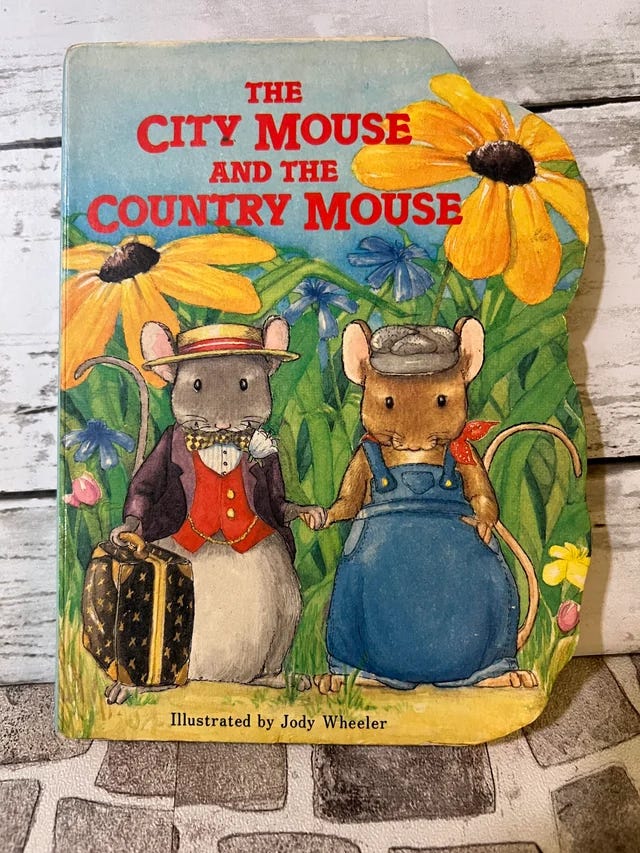
My wandering is not confined to city streets. It continues through trails, abandoned lots, forests, small towns, field edges, and forgotten industrial margins where nature quietly re-enters the human world.
Perhaps the closest companion is the saunterer.
Henry David Thoreau, in his essay Walking, described sauntering as a kind of sacred wandering: slow, attentive movement through landscape without strict destination. If the flâneuse wanders the boulevard, perhaps the saunterer wanders riverbanks, abandoned orchards, hedgerows, and roadside edges.
But even that does not feel entirely right. Perhaps a wayfarer? a peripatetic? a hedgerow wanderer? A shrine walker.
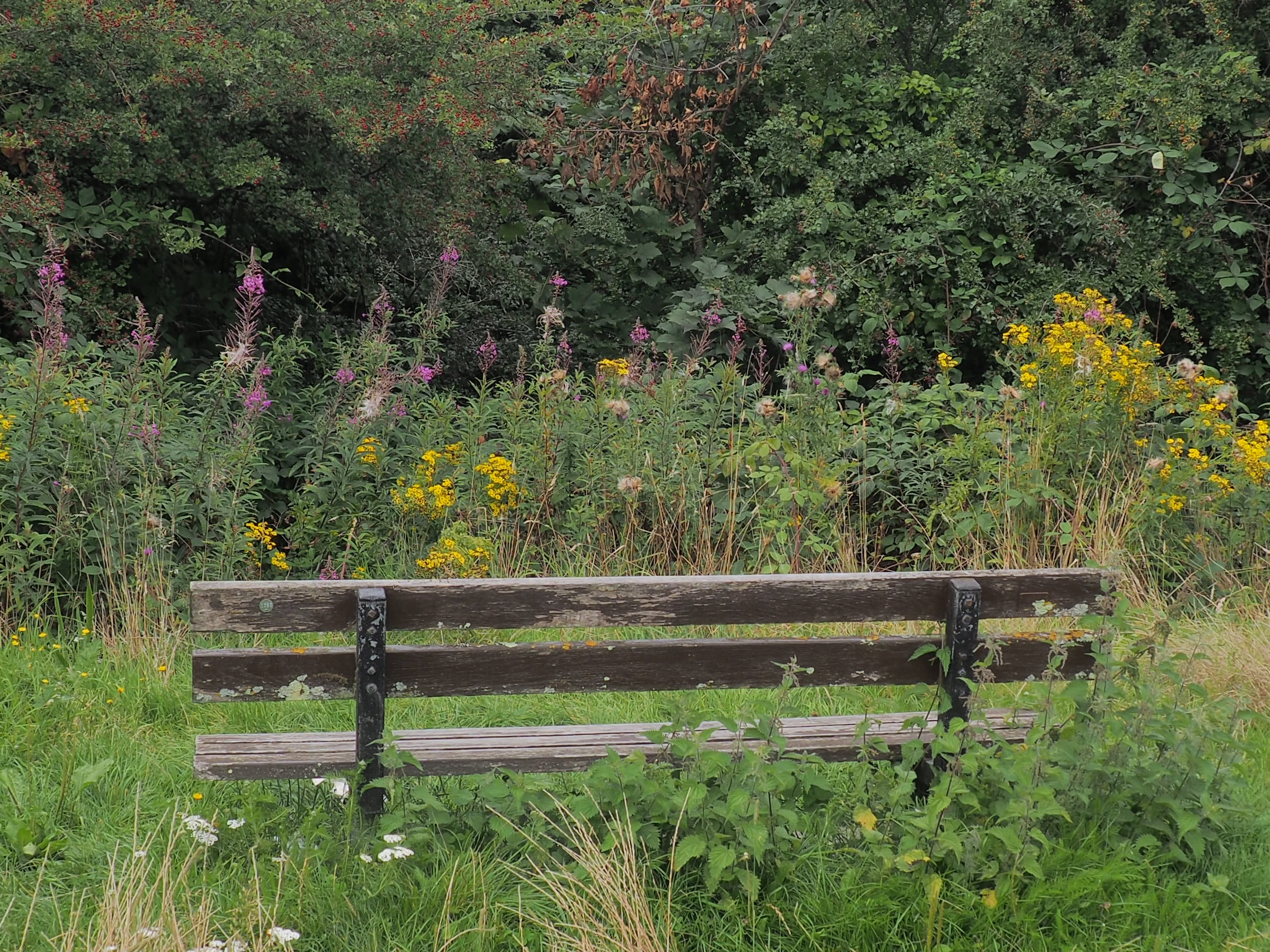
None fully capture the particular joy of drifting between the human and more-than-human worlds, collecting fragments of atmosphere, memory, plant life, overheard conversations, and small revelations. Perhaps what I am searching for is a kind of ecological dérive: wandering attentively through the shifting threshold between culture and landscape, following not only streets but weeds, weather, waterways, birdsong, ruins, and desire paths.
Perhaps the point is not finding the perfect word. Perhaps the wandering itself is the practice.
In contemporary culture, wandering can almost feel subversive. We are encouraged to optimize, track, monetize, and justify every movement. Even walking becomes quantified. But the flâneuse resists efficiency. She follows intuition over productivity. She understands that getting lost is sometimes the point. It’s hard to get lost these days with GPS in our back pockets.
And perhaps this is why the idea resonates so deeply with artists, writers, herbalists, photographers, and seekers of all kinds: wandering reawakens permeability. It softens the boundary between self and world. You begin to notice again. And noticing changes everything.
Further reading:
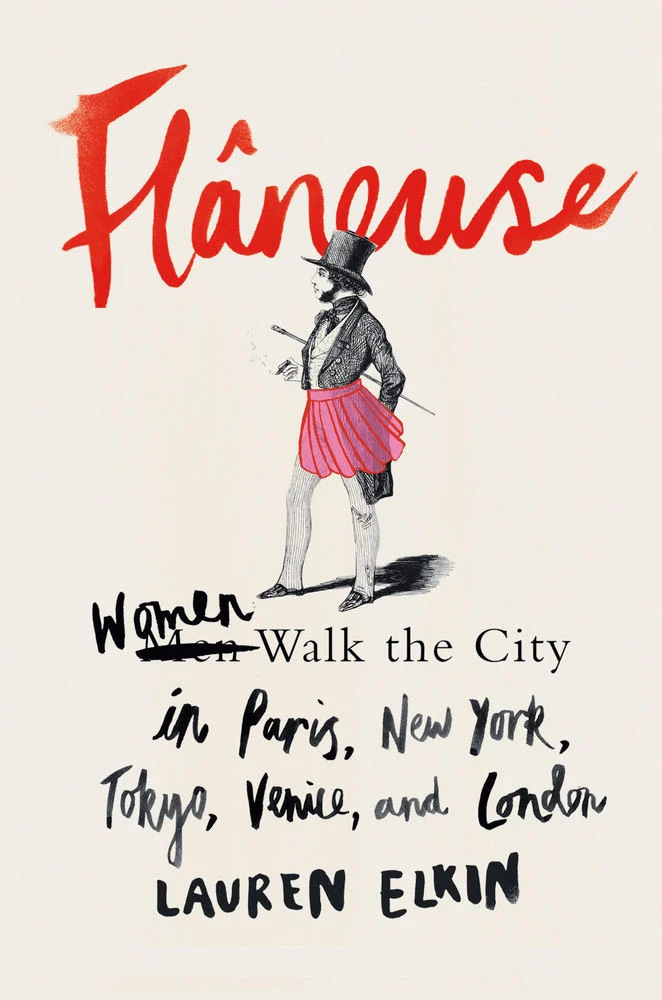
The Flaneur and the Flaneuse: the culture of women who wander cities By Gabby Tuzzeo
Radical Flâneuserie The Paris Review
Virginia Wolf’s “Street Haunting”
Last chance to meet me in Provincetown!
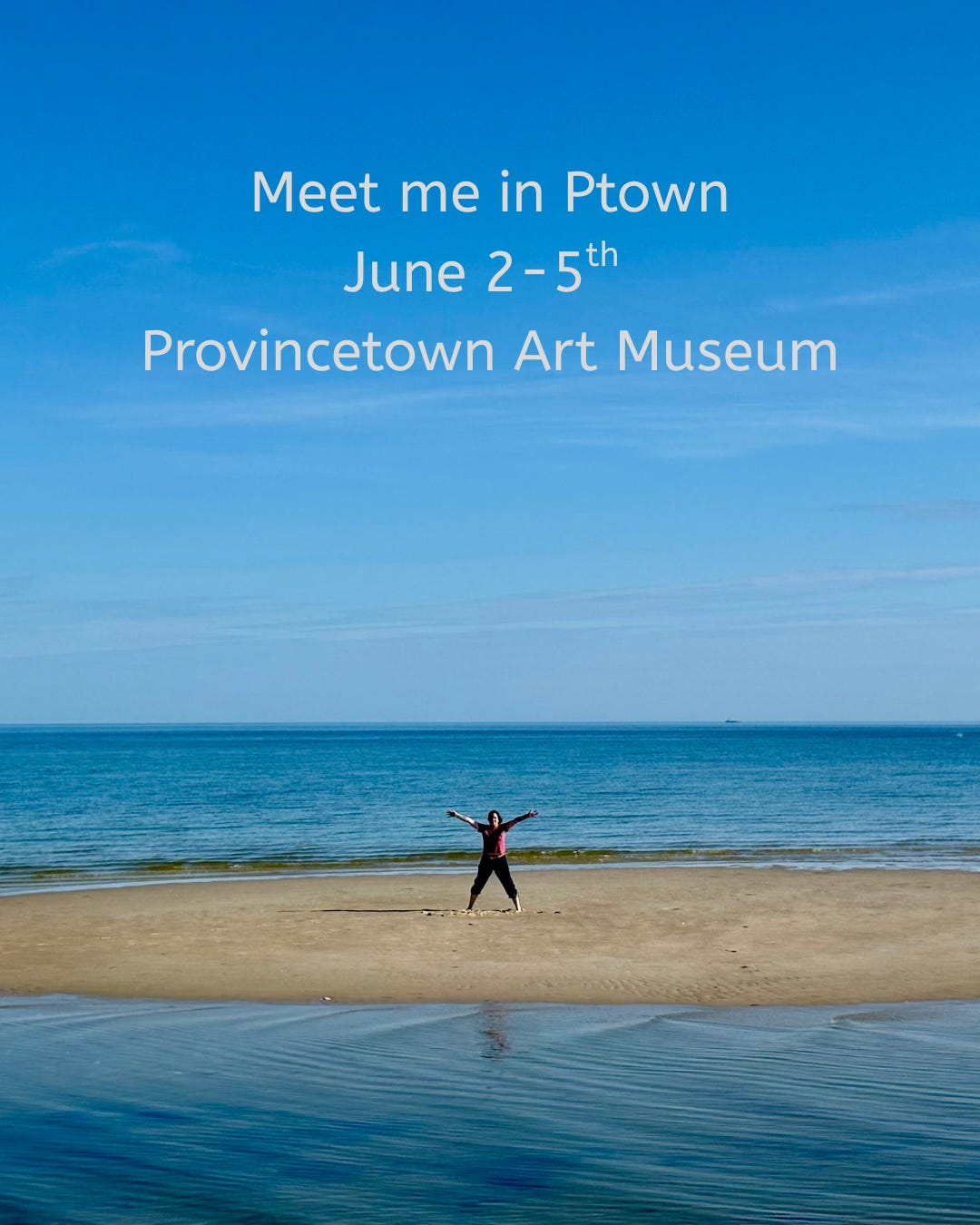
June 2–5 | Provincetown Art Association and Museum
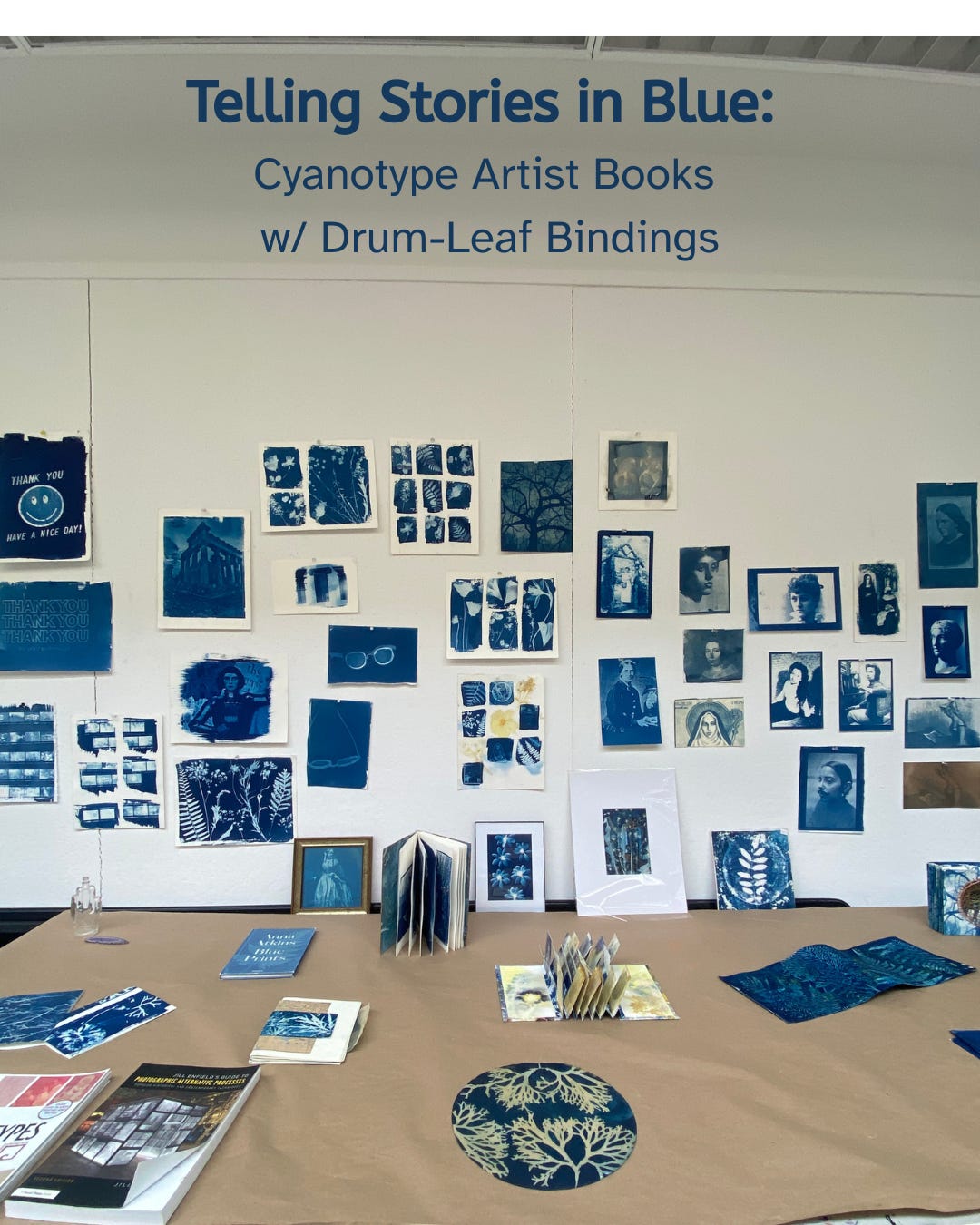
What if your time in Provincetown became a book?
In this hands-on workshop, we gather, print, and assemble transforming fleeting moments into deep blue impressions. Working with cyanotype we’ll create images using sunlight, water, found materials, botanicals, and personal imagery.
We’ll then transform these prints into a handmade artist book using a drum-leaf binding, developed by Timothy Ely. This elegant structure opens completely flat, allowing your images to flow seamlessly across spreads creating a visual narrative held in sequence.
i had not known that I was a flaneuse, but i spent the years i lived in Paris doing just that and have been doing it ever since.
I really enjoyed reading this and am sorry I can't be with you in Provincetown.
What beautiful and meaningful writing. I relate to all of it, and have written about it in different ways. Yours is a luscious compilation of the seen and unseen and the currents on which we thrive. Love it!